Buy cbet.eu ?
We are moving the project
cbet.eu .
Are you interested in purchasing the domain
cbet.eu ?
domain@kv-gmbh.de · 0541-91531010
Buy cbet.eu ?
What products are formed during glycolysis?
During glycolysis, glucose is broken down into two molecules of pyruvate. In the process, ATP and NADH are also produced. Overall, glycolysis results in the net production of two molecules of ATP per glucose molecule. **
Why doesn't the glycolysis equation balance?
The glycolysis equation does not balance because it is a simplified representation of the overall process. In reality, glycolysis involves a series of complex enzymatic reactions that occur in multiple steps. The equation typically shown in textbooks is a summary of these steps and does not account for every intermediate molecule or cofactor involved in the process. Additionally, the equation may not balance due to the omission of specific details or variations that can occur in different organisms or under different conditions. **


Similar search terms for Glycolysis
Top-Angebote
Products related to Glycolysis:
-
Usborne STEM Scribble Books Collection – 4 Book Set Science, Technology, Engineering & Maths Activity Books for KidsInspire curiosity and creative learning with the Usborne STEM Scribble Books Collection – 4 Book Set, from the trusted Usborne. This exciting educational collection includes: Science Scribble Book Technology Scribble Book Engineering Scribble Book Maths Scribble Book Packed with fun activities, puzzles, drawing challenges, and problem-solving exercises, these interactive scribble books introduce children to the exciting world of STEM (Science, Technology, Engineering, and Mathematics). Designed to make learning enjoyable, they encourage creativity, logical thinking, and hands-on exploration. Perfect for home learning, classroom activities, school holidays, and travel, this collection helps children build confidence while developing essential STEM skills. Why Parents & Teachers Love This Collection: Includes 4 engaging STEM activity books Encourages creativity, problem-solving, and critical thinking Covers Science, Technology, Engineering & Maths Interactive scribble activities make learning fun Ideal for children aged 6+, home learning, and classrooms A fantastic educational resource, the Usborne STEM Scribble Books Collection helps children discover, create, and learn through exciting hands-on activities.8,99 £*Shipping: 2,99 £Secure redirect to the provider
-
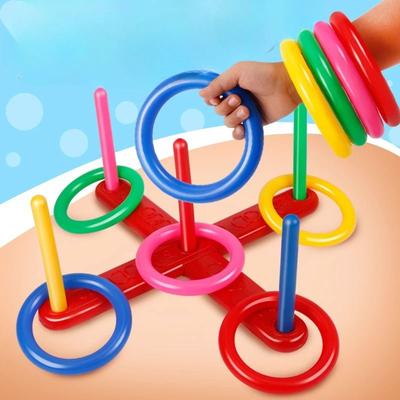
Uplifted Finds Interactive Ring Toss Training System Professional Early Education & Pediatric Fitness Infrastructure Interactive Ring Toss Training System Professional Early Education & Pediatric Fitness InfrastructureCommand ultimate developmental confidence with the Interactive Ring Toss Training System, a highperformance educational solution specifically engineered to act as a comprehensive tool for elite organization and superior technical ergonomics. Built...52,97 $*Shipping: 0,00 $Secure redirect to the provider
-
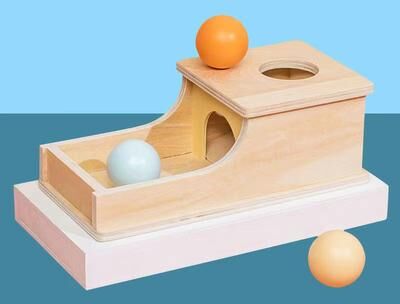
Tiny Tots Teens Trends Drawer Game Early Education Montessori Wooden Pitch Ball Box Preschool Learning Training Toy Drawer Game Early Education Montessori Wooden Pitch Ball Box Preschool Learning Training ToyThis Montessori Wooden Pitch Ball Box Drawer Game is a thoughtfully designed earlyeducation toy that transforms playtime into purposeful learning. Crafted for toddlers and preschoolers, it offers a handson, engaging way to support key developmental...39,97 $*Shipping: 0,00 $Secure redirect to the provider

-
What is glycolysis in cellular respiration?
Glycolysis is the first stage of cellular respiration, the process by which cells break down glucose to produce energy. It takes place in the cytoplasm of the cell and does not require oxygen, making it an anaerobic process. During glycolysis, a molecule of glucose is broken down into two molecules of pyruvate, and in the process, a small amount of ATP (energy) is produced. This ATP can be used by the cell for various functions. Glycolysis is a crucial step in cellular respiration and provides the starting point for the next stages of the process, which occur in the mitochondria. **
-
What is a mnemonic for glycolysis?
A commonly used mnemonic for remembering the steps of glycolysis is "Goodness Gracious, Father Franklin Did Go By Picking Pumpkins To Prepare Pies." Each word in the mnemonic represents the first letter of each step in the glycolysis pathway: Glucose, Glucose-6-phosphate, Fructose-6-phosphate, Fructose-1,6-bisphosphate, Dihydroxyacetone phosphate, Glyceraldehyde-3-phosphate, 1,3-Bisphosphoglycerate, 3-Phosphoglycerate, 2-Phosphoglycerate, Phosphoenolpyruvate, and Pyruvate. This mnemonic can help students remember the order of the steps in glycolysis. **
-
Why does the glycolysis equation not balance?
The glycolysis equation does not balance because it is a simplified representation of the complex series of chemical reactions that occur during glycolysis. The equation only shows the overall input and output of the process, without accounting for the specific intermediates and enzymes involved in each step. Additionally, the equation does not include the energy requirements and regulatory mechanisms that control glycolysis. Therefore, the equation is unbalanced because it does not provide a detailed account of the individual reactions and their stoichiometry. **
-
What is the balance equation of glycolysis?
The balanced equation for glycolysis is: Glucose + 2 NAD+ + 2 ADP + 2 Pi → 2 pyruvate + 2 NADH + 2 ATP + 2 H2O + 2 H+ **
What is the difference between glycolysis and glycogenolysis?
Glycolysis is the breakdown of glucose into pyruvate to produce energy in the form of ATP, while glycogenolysis is the breakdown of glycogen into glucose to provide a quick source of energy. Glycolysis occurs in the cytoplasm of cells, while glycogenolysis primarily occurs in the liver and muscles. Glycolysis is the first step in cellular respiration, while glycogenolysis is a way for the body to maintain blood glucose levels during times of fasting or exercise. **
What are glycolysis and cellular respiration in biology?
Glycolysis is the first step in cellular respiration, which is the process by which cells break down glucose to produce energy in the form of ATP. During glycolysis, glucose is converted into pyruvate, producing a small amount of ATP and NADH. Cellular respiration then continues in the mitochondria, where pyruvate is further broken down through the citric acid cycle and oxidative phosphorylation to produce a much larger amount of ATP. Overall, cellular respiration is the process by which cells generate energy from glucose, while glycolysis is the initial step in this process. **
Top-Angebote
Products related to Glycolysis:
-
Perfect Picks Market Geometric Building Blocks Set For Kids Early Education Intelligence Development Toy Geometric Building Blocks Set For Kids Early Education Intelligence Development ToyUnlock your child's potential with this early education equipment designed to stimulate creativity and intelligence! This geometric set is the perfect building block toy for boys, helping to develop problemsolving skills while having fun. The...35,97 $*Shipping: 0,00 $Secure redirect to the provider
-
Uplifted Finds Children's 3D Puzzle Early Education Fun DIY Paste Wood Educational Toys For Kids engineeringEncourage cognitive development and creativity with this Children's 3D Puzzle, an essential Early Education Fun DIY Paste toy designed for curious young minds. This highquality Wooden Puzzle features vibrant, 3D animal and vehicle characters,...54,97 $*Shipping: 0,00 $Secure redirect to the provider
-
Usborne STEM Scribble Books Collection – 4 Book Set Science, Technology, Engineering & Maths Activity Books for KidsInspire curiosity and creative learning with the Usborne STEM Scribble Books Collection – 4 Book Set, from the trusted Usborne. This exciting educational collection includes: Science Scribble Book Technology Scribble Book Engineering Scribble Book Maths Scribble Book Packed with fun activities, puzzles, drawing challenges, and problem-solving exercises, these interactive scribble books introduce children to the exciting world of STEM (Science, Technology, Engineering, and Mathematics). Designed to make learning enjoyable, they encourage creativity, logical thinking, and hands-on exploration. Perfect for home learning, classroom activities, school holidays, and travel, this collection helps children build confidence while developing essential STEM skills. Why Parents & Teachers Love This Collection: Includes 4 engaging STEM activity books Encourages creativity, problem-solving, and critical thinking Covers Science, Technology, Engineering & Maths Interactive scribble activities make learning fun Ideal for children aged 6+, home learning, and classrooms A fantastic educational resource, the Usborne STEM Scribble Books Collection helps children discover, create, and learn through exciting hands-on activities.8,99 £*Shipping: 2,99 £Secure redirect to the provider
-
What products are formed during glycolysis?
During glycolysis, glucose is broken down into two molecules of pyruvate. In the process, ATP and NADH are also produced. Overall, glycolysis results in the net production of two molecules of ATP per glucose molecule. **
-
Why doesn't the glycolysis equation balance?
The glycolysis equation does not balance because it is a simplified representation of the overall process. In reality, glycolysis involves a series of complex enzymatic reactions that occur in multiple steps. The equation typically shown in textbooks is a summary of these steps and does not account for every intermediate molecule or cofactor involved in the process. Additionally, the equation may not balance due to the omission of specific details or variations that can occur in different organisms or under different conditions. **
-
What is glycolysis in cellular respiration?
Glycolysis is the first stage of cellular respiration, the process by which cells break down glucose to produce energy. It takes place in the cytoplasm of the cell and does not require oxygen, making it an anaerobic process. During glycolysis, a molecule of glucose is broken down into two molecules of pyruvate, and in the process, a small amount of ATP (energy) is produced. This ATP can be used by the cell for various functions. Glycolysis is a crucial step in cellular respiration and provides the starting point for the next stages of the process, which occur in the mitochondria. **
-
What is a mnemonic for glycolysis?
A commonly used mnemonic for remembering the steps of glycolysis is "Goodness Gracious, Father Franklin Did Go By Picking Pumpkins To Prepare Pies." Each word in the mnemonic represents the first letter of each step in the glycolysis pathway: Glucose, Glucose-6-phosphate, Fructose-6-phosphate, Fructose-1,6-bisphosphate, Dihydroxyacetone phosphate, Glyceraldehyde-3-phosphate, 1,3-Bisphosphoglycerate, 3-Phosphoglycerate, 2-Phosphoglycerate, Phosphoenolpyruvate, and Pyruvate. This mnemonic can help students remember the order of the steps in glycolysis. **
Similar search terms for Glycolysis
-
Uplifted Finds Interactive Ring Toss Training System Professional Early Education & Pediatric Fitness Infrastructure Interactive Ring Toss Training System Professional Early Education & Pediatric Fitness InfrastructureCommand ultimate developmental confidence with the Interactive Ring Toss Training System, a highperformance educational solution specifically engineered to act as a comprehensive tool for elite organization and superior technical ergonomics. Built...52,97 $*Shipping: 0,00 $Secure redirect to the provider
-
Tiny Tots Teens Trends Drawer Game Early Education Montessori Wooden Pitch Ball Box Preschool Learning Training Toy Drawer Game Early Education Montessori Wooden Pitch Ball Box Preschool Learning Training ToyThis Montessori Wooden Pitch Ball Box Drawer Game is a thoughtfully designed earlyeducation toy that transforms playtime into purposeful learning. Crafted for toddlers and preschoolers, it offers a handson, engaging way to support key developmental...39,97 $*Shipping: 0,00 $Secure redirect to the provider
-
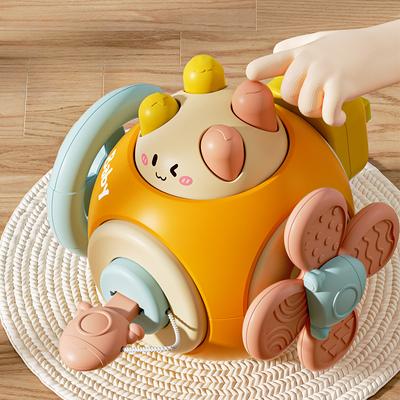
Tiny Tots Teens Trends Montessori Baby Training, Infant Puzzle Early Education Toys, Busy Hand Grasping Ball For Baby Montessori Baby Training, Infant Puzzle Early Education Toys, Busy Hand Grasping Ball For BabyIntroduce Your Baby to the World of Learning The Infant Puzzle Early Education Toys are designed to foster cognitive and physical development in your little one. This Multifunctional Busy Ball for Montessori Baby Training is ideal for enhancing...79,97 $*Shipping: 0,00 $Secure redirect to the provider
-
Why does the glycolysis equation not balance?
The glycolysis equation does not balance because it is a simplified representation of the complex series of chemical reactions that occur during glycolysis. The equation only shows the overall input and output of the process, without accounting for the specific intermediates and enzymes involved in each step. Additionally, the equation does not include the energy requirements and regulatory mechanisms that control glycolysis. Therefore, the equation is unbalanced because it does not provide a detailed account of the individual reactions and their stoichiometry. **
-
What is the balance equation of glycolysis?
The balanced equation for glycolysis is: Glucose + 2 NAD+ + 2 ADP + 2 Pi → 2 pyruvate + 2 NADH + 2 ATP + 2 H2O + 2 H+ **
-
What is the difference between glycolysis and glycogenolysis?
Glycolysis is the breakdown of glucose into pyruvate to produce energy in the form of ATP, while glycogenolysis is the breakdown of glycogen into glucose to provide a quick source of energy. Glycolysis occurs in the cytoplasm of cells, while glycogenolysis primarily occurs in the liver and muscles. Glycolysis is the first step in cellular respiration, while glycogenolysis is a way for the body to maintain blood glucose levels during times of fasting or exercise. **
-
What are glycolysis and cellular respiration in biology?
Glycolysis is the first step in cellular respiration, which is the process by which cells break down glucose to produce energy in the form of ATP. During glycolysis, glucose is converted into pyruvate, producing a small amount of ATP and NADH. Cellular respiration then continues in the mitochondria, where pyruvate is further broken down through the citric acid cycle and oxidative phosphorylation to produce a much larger amount of ATP. Overall, cellular respiration is the process by which cells generate energy from glucose, while glycolysis is the initial step in this process. **
* All prices are inclusive of VAT and, if applicable, plus shipping costs. The offer information is based on the details provided by the respective shop and is updated through automated processes. Real-time updates do not occur, so deviations can occur in individual cases. ** Note: Parts of this content were created by AI.