Buy cbet.eu ?
We are moving the project
cbet.eu .
Are you interested in purchasing the domain
cbet.eu ?
domain@kv-gmbh.de · 0541-91531010
Buy cbet.eu ?
What is the difference between a language-based and a science-based high school diploma?
A language-based high school diploma typically focuses on subjects such as literature, languages, and social sciences, emphasizing communication and critical thinking skills. On the other hand, a science-based high school diploma places more emphasis on subjects like mathematics, biology, chemistry, and physics, focusing on analytical and problem-solving skills. The language-based diploma may be more suitable for students interested in humanities and social sciences, while the science-based diploma may be more suitable for students interested in STEM fields. **
What is the difference between electrical engineering, computer science, and network technology?
Electrical engineering focuses on the study and application of electricity, electromagnetism, and electronics to design and develop electrical systems and devices. Computer science, on the other hand, deals with the theory, design, development, and application of computer systems and software. Network technology involves the design, implementation, and management of computer networks to facilitate communication and data exchange between devices. While electrical engineering and computer science have some overlap in areas like digital systems and hardware design, network technology specifically focuses on the networking aspects of computer systems. **


Similar search terms for Science-based
Top-Angebote
Products related to Science-based:
-
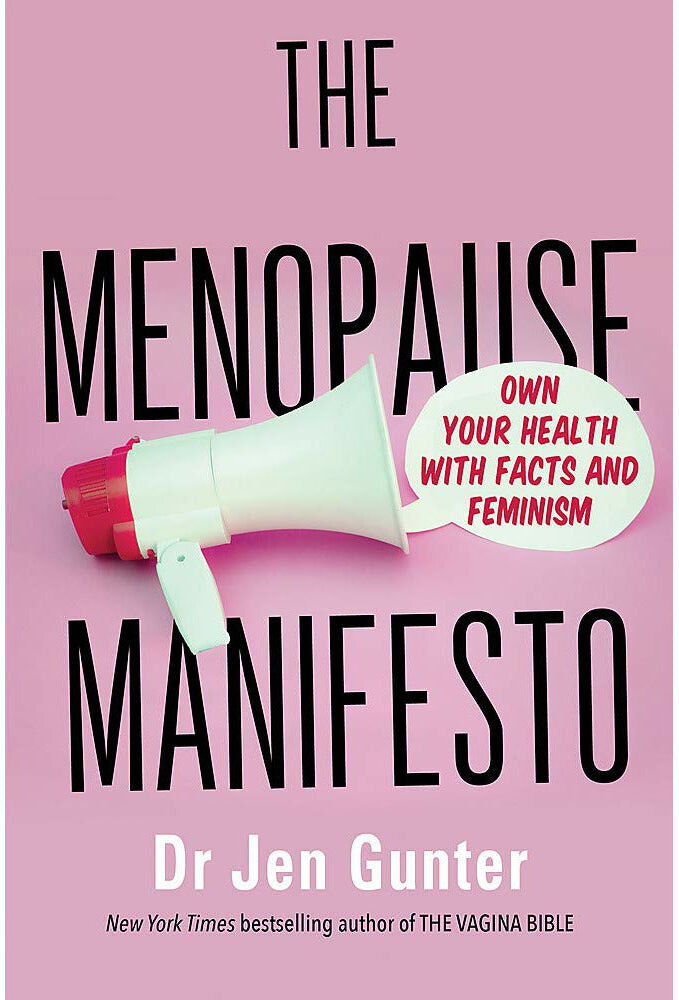
Piatkus The Menopause Manifesto by Dr. Jen Gunter The Science-Based Guide to Thriving Through Menopause - Understanding Hormones, Health & ChangeIn The Menopause Manifesto internationally renowned, New York Times bestselling author Dr Jen Gunter brings you empowerment through knowledge by countering stubborn myths and misunderstandings about menopause with hard facts, real science, fascinating historical perspective and expert advice.The only thing predictable about menopause is its unpredictability. Factor in widespread misinformation, a lack of research, and the culture of shame around women's bodies, and it's no wonder women are unsure what to expect during the menopause transition and beyond.Menopause is not a disease - it's a planned change, like puberty. And just like puberty, we should be educated on what's to come years in advance, rather than the current practice of leaving people on their own with bothersome symptoms and too much conflicting information. Knowing what is happening, why and what to do about it is both empowering and reassuring.Frank and funny, Dr Jen debunks misogynistic attitudes and challenges the over-mystification of menopause to reveal everything you really need to know about:* Perimenopause* Hot flashes* Sleep disruption* Sex and libido* Depression and mood changes* Skin and hair issues* Outdated therapies* Breast health* Weight and muscle mass* Health maintenance screening* And much moreFilled with practical, reassuring information, this essential guide will revolutionise how women experience menopause - including how their lives can be even better for it!4,70 £*Shipping: 1,99 £Secure redirect to the provider
-
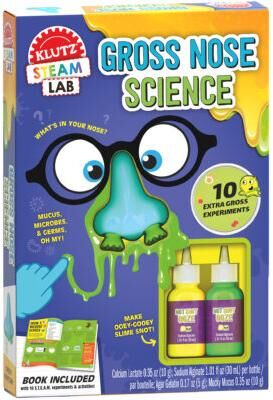
Klutz: Gross Nose ScienceSqueeze slimy snots through a soft and squishy nose! Explore ten different experiments on sinus-based anatomy, make sense of scents with the power of smell, and even whip up a batch of boogers! Learn how snot, mucus, and nose hairs protect your...24,99 $*Shipping: 0,00 $Secure redirect to the provider
-
Uplifted Finds Kids Collision Electric Shock Toy Education Electric Touch Maze Game Party Funny Science Experiment Toy orangeBring excitement and learning together with this electric touch maze game for kids. Designed to develop hand eye coordination, focus, and problem solving, this fun science toy challenges children to guide the wand through the maze without touching...42,97 $*Shipping: 0,00 $Secure redirect to the provider
-
Science of Skin Rescue No.One 30mlScience of Skin Rescue No.One is scientifically proven to reduce and soothe redness and scarring. Specially formulated to combat redness, scarring produced by acne, spots and blemishes with active key ingredient green tea extract (EGCG). Ingredients Aqua (Water), Dipropylene Glycol Diperlargonate, Caprylic/Capric Triglyceride, Glycerin, Cyclopentasiloxane, Cetyl Alcohol, Cetearyl Alcohol, Phenoxyethanol, Glyceryl Stearate, PEG-75Stearate, Ceteth-20, Steareth-20, Poloxamer 235, Poloxamer 338, Butylene Glycol, Tocophersolan, Epigallocatechin Gallate (Green Tea), Xanthan Gum, Tocopherol, Maltodextrin, Acrylates/C10-30 Alkyl Acrylate Crosspolymer, Ethylhexylglycerin, Helianthus Annuus (Sunflower) Seed Oil, Lecithin, Sodium Hydroxide, Hydrolyzed Algin, Maris Aqua (Sea Water), Chlorella Vulgaris (Green Algae) Extract, Magnolia Officinalis (Magnolia) Bark Extract, Vitis Vinifera (Grape) Seed Extract.21,99 £*Shipping: 2,95 £Secure redirect to the provider


-
What is the difference between the courses Applied Computer Science - Software Engineering and Applied Computer Science - Engineering Computer Science?
The main difference between the courses Applied Computer Science - Software Engineering and Applied Computer Science - Engineering Computer Science lies in their focus areas. Applied Computer Science - Software Engineering typically emphasizes the design, development, and maintenance of software systems, while Applied Computer Science - Engineering Computer Science focuses more on the broader aspects of computer science, including hardware, networking, and system architecture. Students in Software Engineering may delve deeper into programming languages, software testing, and project management, whereas students in Engineering Computer Science may explore topics like computer organization, algorithms, and data structures. Ultimately, the choice between the two courses depends on whether one's interests lie more in software development or a broader understanding of computer science principles. **
-
Why is the paramedic training a school-based education?
Paramedic training is a school-based education because it requires a comprehensive curriculum that covers a wide range of medical knowledge and practical skills. Schools provide the necessary resources, facilities, and experienced instructors to ensure students receive a high-quality education. Additionally, a school-based program allows for structured learning, hands-on practice, and opportunities for clinical experience in healthcare settings, which are essential for preparing students to become competent and confident paramedics. **
-
Is computer science or engineering computer science, where is math harder?
Computer science and engineering both require a strong foundation in math, but the level of difficulty may vary depending on the specific focus of the program. In computer science, the math requirements often include discrete mathematics, algorithms, and probability theory, which can be challenging for some students. On the other hand, engineering computer science may involve more applied mathematics, such as calculus, differential equations, and linear algebra, which can also be quite demanding. Ultimately, the level of difficulty in math will depend on the individual's strengths and interests in the specific areas of computer science or engineering. **
-
Could science fiction technology become real?
Yes, science fiction technology could become real in the future. Many of the technological advancements that were once considered science fiction, such as video calling, self-driving cars, and virtual reality, have already become a reality. With continued advancements in science and technology, it is possible that other futuristic technologies, such as teleportation or advanced artificial intelligence, could also become a reality in the future. While some science fiction technologies may still be far-fetched, it is important to remember that many of today's realities were once considered impossible in the past. **
Are there training occupations that combine computer science and electrical engineering?
Yes, there are training occupations that combine computer science and electrical engineering. One such occupation is a computer hardware engineer, which involves designing and developing computer systems and components that require knowledge of both computer science and electrical engineering principles. Another example is a robotics engineer, who designs and builds robotic systems that involve a combination of software programming (computer science) and hardware design (electrical engineering). These occupations require a strong foundation in both fields and often involve working on cutting-edge technologies at the intersection of computer science and electrical engineering. **
What is the difference between electrical engineering, electronics, information technology, and technical computer science?
Electrical engineering focuses on the generation, transmission, and distribution of electrical power, as well as the design of electrical systems. Electronics deals with the study of electronic components, circuits, and systems, including semiconductors and transistors. Information technology involves the use of computer systems to store, retrieve, transmit, and manipulate data. Technical computer science focuses on the design and development of software and hardware systems, including programming languages and algorithms. Each field has its own specialized focus within the broader realm of technology and engineering. **
Top-Angebote
Products related to Science-based:
-
Usborne STEM Scribble Books Collection – 4 Book Set Science, Technology, Engineering & Maths Activity Books for KidsInspire curiosity and creative learning with the Usborne STEM Scribble Books Collection – 4 Book Set, from the trusted Usborne. This exciting educational collection includes: Science Scribble Book Technology Scribble Book Engineering Scribble Book Maths Scribble Book Packed with fun activities, puzzles, drawing challenges, and problem-solving exercises, these interactive scribble books introduce children to the exciting world of STEM (Science, Technology, Engineering, and Mathematics). Designed to make learning enjoyable, they encourage creativity, logical thinking, and hands-on exploration. Perfect for home learning, classroom activities, school holidays, and travel, this collection helps children build confidence while developing essential STEM skills. Why Parents & Teachers Love This Collection: Includes 4 engaging STEM activity books Encourages creativity, problem-solving, and critical thinking Covers Science, Technology, Engineering & Maths Interactive scribble activities make learning fun Ideal for children aged 6+, home learning, and classrooms A fantastic educational resource, the Usborne STEM Scribble Books Collection helps children discover, create, and learn through exciting hands-on activities.8,99 £*Shipping: 2,99 £Secure redirect to the provider
-
Short Books 4 Weeks to Better Sleep by Michael Mosley – Science-Based Guide to Sleep & Insomnia ReliefTransform your sleep and overall wellbeing with 4 Weeks to Better Sleep by Michael Mosley. Backed by the latest scientific research, this practical guide offers a simple, step-by-step plan to help you improve your sleep in just four weeks. Dr Mosley explains the science behind sleep and provides effective strategies to tackle common problems such as insomnia, poor sleep quality, and fatigue. Packed with actionable tips, lifestyle advice, and easy-to-follow routines, this book helps you build healthier habits that lead to deeper, more restorative sleep. Whether you struggle to fall asleep, wake during the night, or feel tired during the day, this guide offers realistic solutions that work. Why Readers Love This Book: Science-based approach to better sleep and wellbeing Practical 4-week plan with clear steps Helps with insomnia, stress, and sleep quality Easy-to-follow advice for everyday life Written by trusted health expert Dr Michael Mosley A must-read for anyone looking to improve their sleep naturally, 4 Weeks to Better Sleep provides the tools you need for lasting change.4,99 £*Shipping: 1,99 £Secure redirect to the provider
-
Piatkus The Menopause Manifesto by Dr. Jen Gunter The Science-Based Guide to Thriving Through Menopause - Understanding Hormones, Health & ChangeIn The Menopause Manifesto internationally renowned, New York Times bestselling author Dr Jen Gunter brings you empowerment through knowledge by countering stubborn myths and misunderstandings about menopause with hard facts, real science, fascinating historical perspective and expert advice.The only thing predictable about menopause is its unpredictability. Factor in widespread misinformation, a lack of research, and the culture of shame around women's bodies, and it's no wonder women are unsure what to expect during the menopause transition and beyond.Menopause is not a disease - it's a planned change, like puberty. And just like puberty, we should be educated on what's to come years in advance, rather than the current practice of leaving people on their own with bothersome symptoms and too much conflicting information. Knowing what is happening, why and what to do about it is both empowering and reassuring.Frank and funny, Dr Jen debunks misogynistic attitudes and challenges the over-mystification of menopause to reveal everything you really need to know about:* Perimenopause* Hot flashes* Sleep disruption* Sex and libido* Depression and mood changes* Skin and hair issues* Outdated therapies* Breast health* Weight and muscle mass* Health maintenance screening* And much moreFilled with practical, reassuring information, this essential guide will revolutionise how women experience menopause - including how their lives can be even better for it!4,70 £*Shipping: 1,99 £Secure redirect to the provider
-
Klutz: Gross Nose ScienceSqueeze slimy snots through a soft and squishy nose! Explore ten different experiments on sinus-based anatomy, make sense of scents with the power of smell, and even whip up a batch of boogers! Learn how snot, mucus, and nose hairs protect your...24,99 $*Shipping: 0,00 $Secure redirect to the provider
-
What is the difference between a language-based and a science-based high school diploma?
A language-based high school diploma typically focuses on subjects such as literature, languages, and social sciences, emphasizing communication and critical thinking skills. On the other hand, a science-based high school diploma places more emphasis on subjects like mathematics, biology, chemistry, and physics, focusing on analytical and problem-solving skills. The language-based diploma may be more suitable for students interested in humanities and social sciences, while the science-based diploma may be more suitable for students interested in STEM fields. **
-
What is the difference between electrical engineering, computer science, and network technology?
Electrical engineering focuses on the study and application of electricity, electromagnetism, and electronics to design and develop electrical systems and devices. Computer science, on the other hand, deals with the theory, design, development, and application of computer systems and software. Network technology involves the design, implementation, and management of computer networks to facilitate communication and data exchange between devices. While electrical engineering and computer science have some overlap in areas like digital systems and hardware design, network technology specifically focuses on the networking aspects of computer systems. **
-
What is the difference between the courses Applied Computer Science - Software Engineering and Applied Computer Science - Engineering Computer Science?
The main difference between the courses Applied Computer Science - Software Engineering and Applied Computer Science - Engineering Computer Science lies in their focus areas. Applied Computer Science - Software Engineering typically emphasizes the design, development, and maintenance of software systems, while Applied Computer Science - Engineering Computer Science focuses more on the broader aspects of computer science, including hardware, networking, and system architecture. Students in Software Engineering may delve deeper into programming languages, software testing, and project management, whereas students in Engineering Computer Science may explore topics like computer organization, algorithms, and data structures. Ultimately, the choice between the two courses depends on whether one's interests lie more in software development or a broader understanding of computer science principles. **
-
Why is the paramedic training a school-based education?
Paramedic training is a school-based education because it requires a comprehensive curriculum that covers a wide range of medical knowledge and practical skills. Schools provide the necessary resources, facilities, and experienced instructors to ensure students receive a high-quality education. Additionally, a school-based program allows for structured learning, hands-on practice, and opportunities for clinical experience in healthcare settings, which are essential for preparing students to become competent and confident paramedics. **
Similar search terms for Science-based
-
Uplifted Finds Kids Collision Electric Shock Toy Education Electric Touch Maze Game Party Funny Science Experiment Toy orangeBring excitement and learning together with this electric touch maze game for kids. Designed to develop hand eye coordination, focus, and problem solving, this fun science toy challenges children to guide the wand through the maze without touching...42,97 $*Shipping: 0,00 $Secure redirect to the provider
-
Science of Skin Rescue No.One 30mlScience of Skin Rescue No.One is scientifically proven to reduce and soothe redness and scarring. Specially formulated to combat redness, scarring produced by acne, spots and blemishes with active key ingredient green tea extract (EGCG). Ingredients Aqua (Water), Dipropylene Glycol Diperlargonate, Caprylic/Capric Triglyceride, Glycerin, Cyclopentasiloxane, Cetyl Alcohol, Cetearyl Alcohol, Phenoxyethanol, Glyceryl Stearate, PEG-75Stearate, Ceteth-20, Steareth-20, Poloxamer 235, Poloxamer 338, Butylene Glycol, Tocophersolan, Epigallocatechin Gallate (Green Tea), Xanthan Gum, Tocopherol, Maltodextrin, Acrylates/C10-30 Alkyl Acrylate Crosspolymer, Ethylhexylglycerin, Helianthus Annuus (Sunflower) Seed Oil, Lecithin, Sodium Hydroxide, Hydrolyzed Algin, Maris Aqua (Sea Water), Chlorella Vulgaris (Green Algae) Extract, Magnolia Officinalis (Magnolia) Bark Extract, Vitis Vinifera (Grape) Seed Extract.21,99 £*Shipping: 2,95 £Secure redirect to the provider
-
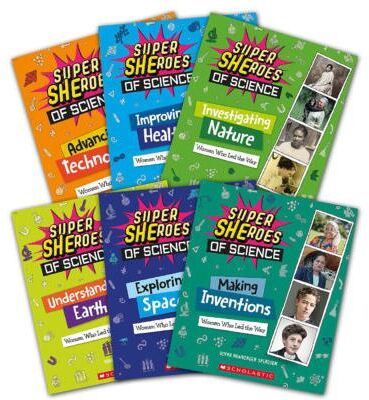
Super SHEroes of Science Value PackThis brand-new series highlights some of the major contributions women have made in the world of science.This set includes:Super SHEroes of Science: Advancing TechnologySuper SHEroes of Science: Exploring SpaceSuper SHEroes of Science: Improving...40,74 $*Shipping: 0,00 $Secure redirect to the provider
-
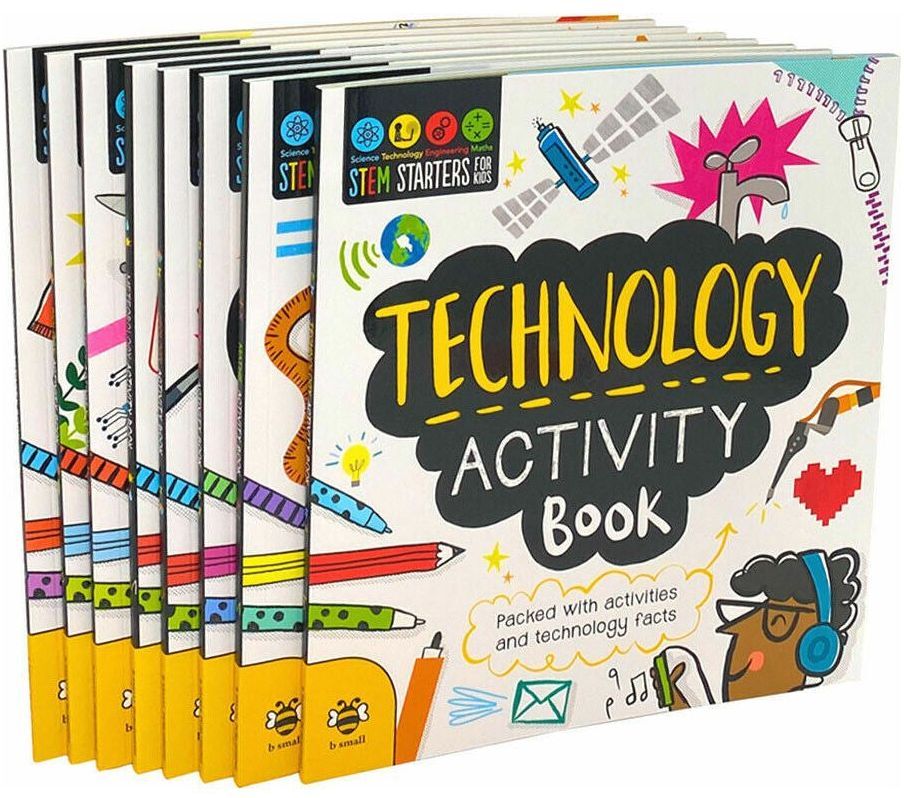
B Small Publishing STEM Educational Activity 8 Books Collection Set STEM Starters for Kids Science, Biology, Maths, Engineering, Meteorology for Early LearnersInspire curiosity and a love of learning with the STEM Educational Activity 8 Books Set, specially designed to introduce children to key STEM subjects through fun, hands-on activities. This engaging STEM Starters for Kids collection covers essential topics such as Maths, Engineering, Meteorology, and core scientific concepts, helping young learners build problem-solving skills, logical thinking, and creativity. Each book features age-appropriate explanations, interactive exercises, and simple activities that make complex ideas easy to understand. Ideal for home learning, classrooms, homeschooling, and after-school enrichment, this 8-book set supports early educational development while keeping children motivated and confident in STEM subjects. Why Parents & Educators Love This Set: 8 educational STEM activity books in one collection Introduces Maths, Engineering, Meteorology & Science Encourages critical thinking and problem-solving Hands-on activities that make learning fun Suitable for ages 5–10 Perfect for home, school, or gift giving A strong foundation for future learning, the STEM Educational Activity 8 Books Set helps children explore how the world works while developing essential academic and life skills. Science Activity Book In this particular title, little scientists will love the mix of non-fiction and activities in this educational book full of BIG ideas.Fun games and puzzles teach boys and girls about smells and taste buds, the power of magnetism, how sound travels and the different types of energy that fuel our lives and our world. Biology Activity Book Fun games and puzzles teach boys and girls about biology, plants, biomes, ecology, nature, digestion and the human body. Robotics Activity Book Fun games and puzzles teach boys and girls about robotics, automation, programming and engineering. Start a lifelong passion for STEM subjects. Meteorology Fun games and puzzles teach boys and girls about climates, the power of storms, how rain happens and the different ways of measuring the weather. Geology Fun games and puzzles teach boys and girls about rocks and fossils, the power of volcanoes, how earthquakes happen and the origin of the oil that fuels our lives and our world. Engineering Activity Book Fun games and puzzles teach boys and girls about structures that use science and technology to improve our lives. Engineering is what brings machines to life. Technology Activity Book Fun games and puzzles teach boys and girls about digital developments like mobile phones and the internet to more old-fashioned inventions like zips and door hinges. Maths Activity Book Fun games and puzzles teach boys and girls how to solve problems using addition, subtraction, multiplication and division.Maths is a huge part of science, technology and engineering.12,99 £*Shipping: 2,99 £Secure redirect to the provider
-
Is computer science or engineering computer science, where is math harder?
Computer science and engineering both require a strong foundation in math, but the level of difficulty may vary depending on the specific focus of the program. In computer science, the math requirements often include discrete mathematics, algorithms, and probability theory, which can be challenging for some students. On the other hand, engineering computer science may involve more applied mathematics, such as calculus, differential equations, and linear algebra, which can also be quite demanding. Ultimately, the level of difficulty in math will depend on the individual's strengths and interests in the specific areas of computer science or engineering. **
-
Could science fiction technology become real?
Yes, science fiction technology could become real in the future. Many of the technological advancements that were once considered science fiction, such as video calling, self-driving cars, and virtual reality, have already become a reality. With continued advancements in science and technology, it is possible that other futuristic technologies, such as teleportation or advanced artificial intelligence, could also become a reality in the future. While some science fiction technologies may still be far-fetched, it is important to remember that many of today's realities were once considered impossible in the past. **
-
Are there training occupations that combine computer science and electrical engineering?
Yes, there are training occupations that combine computer science and electrical engineering. One such occupation is a computer hardware engineer, which involves designing and developing computer systems and components that require knowledge of both computer science and electrical engineering principles. Another example is a robotics engineer, who designs and builds robotic systems that involve a combination of software programming (computer science) and hardware design (electrical engineering). These occupations require a strong foundation in both fields and often involve working on cutting-edge technologies at the intersection of computer science and electrical engineering. **
-
What is the difference between electrical engineering, electronics, information technology, and technical computer science?
Electrical engineering focuses on the generation, transmission, and distribution of electrical power, as well as the design of electrical systems. Electronics deals with the study of electronic components, circuits, and systems, including semiconductors and transistors. Information technology involves the use of computer systems to store, retrieve, transmit, and manipulate data. Technical computer science focuses on the design and development of software and hardware systems, including programming languages and algorithms. Each field has its own specialized focus within the broader realm of technology and engineering. **
* All prices are inclusive of VAT and, if applicable, plus shipping costs. The offer information is based on the details provided by the respective shop and is updated through automated processes. Real-time updates do not occur, so deviations can occur in individual cases. ** Note: Parts of this content were created by AI.