Buy cbet.eu ?
We are moving the project
cbet.eu .
Are you interested in purchasing the domain
cbet.eu ?
domain@kv-gmbh.de · 0541-91531010
Buy cbet.eu ?
What is better: Electronics technician for industrial engineering or electronics technician for energy and building technology?
The choice between being an electronics technician for industrial engineering or energy and building technology depends on your interests and career goals. If you enjoy working with complex machinery and systems in manufacturing environments, then industrial engineering may be a better fit for you. On the other hand, if you are passionate about sustainable energy solutions and building technology, then energy and building technology could be more fulfilling. Consider your strengths, interests, and long-term career aspirations to make the best decision for yourself. **
Are there major differences between the training for an electronics technician for industrial engineering and an electronics technician for automation technology?
Yes, there are major differences between the training for an electronics technician for industrial engineering and an electronics technician for automation technology. Electronics technicians for industrial engineering focus on the installation, maintenance, and repair of electrical systems in industrial settings, while electronics technicians for automation technology specialize in designing, programming, and maintaining automated systems and machinery. The training for automation technology may involve more advanced coursework in robotics, control systems, and programming languages compared to industrial engineering. Additionally, automation technology technicians may work more closely with engineers to develop and implement automated solutions, while industrial engineering technicians may focus more on troubleshooting and maintaining existing systems. **
Similar search terms for Electronics
Top-Angebote
Products related to Electronics:
-
Delta Electronics Delta DPS-200PB-128 D 200W Flex ATX Power SupplyReliable 200W Power Supply for SFF Desktops and Lenovo Systems Upgrade or replace your SFF desktop PSU with the Delta Electronics DPS-200PB-128 D, a compact 200W Flex ATX power supply unit commonly used in Lenovo ThinkCentre A51 and other OEM systems. This unit offers reliable performance and silent operation. Model: DPS-200PB-128 D Wattage: 145W, max 200W Form Factor: Flex ATX Connectors: - 20-pin ATX main power connector- 4-pin 12V CPU power connector- 3x Molex (IDE) power connectors- 1x Floppy drive power connector Suitable for Lenovo ThinkCentre A5129,95 £*Shipping: 0,00 £Secure redirect to the provider
-
Multicon Wholesale Hub Durable Silicone Wire Clamp, Adjustable Workbench Soldering Station For Electronics And Automotive Repairs Durable Silicone Wire Clamp, Adjustable Workbench Soldering Station For Electronics And Automotive RepairsAchieve precise and efficient soldering with this Silicone Wire Clamp Bracket Workbench Soldering Station. Whether you're a professional welder or a DIY enthusiast, this durable tool is designed to make your soldering tasks easier, faster, and more...53,97 $*Shipping: 0,00 $Secure redirect to the provider
-
Uplifted Goods CR2025 3V Lithium Coin Cell Batteries For Watches And Electronics 50pcsKeep your devices powered with the CR2025 3V Lithium Coin Cell Batteries. These reliable and longlasting batteries are perfect for watches, calculators, toys, car remotes, and other small electronics. Designed for safety and consistent performance,...75,97 $*Shipping: 0,00 $Secure redirect to the provider
-
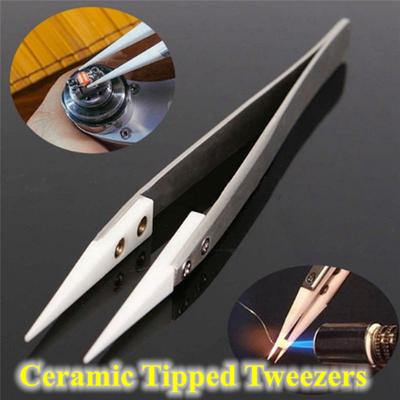
Youfap Market Heat Pointed Resistant Tweezer, Ceramic Tipped Stainless Steel Tweezers, Fine Pointed Tip For Soldering Electronics Heat Pointed Resistant Tweezer, Ceramic Tipped Stainless Steel Tweezers, Fine Pointed Tip For Soldering ElectronicsPerfect for Precision Soldering Jobs Crafted for electronic soldering, these ceramic tipped stainless steel tweezers offer superior precision and control. The fine pointed tip is ideal for handling small components and wires in delicate electronics....29,97 $*Shipping: 0,00 $Secure redirect to the provider



-
What is the difference between electrical engineering, electronics, information technology, and computer engineering?
Electrical engineering focuses on the generation, distribution, and control of electrical energy, as well as the design of electrical systems. Electronics deals with the study of electronic components, circuits, and systems that use electricity to process information. Information technology involves the use of computers and software to manage and process data. Computer engineering combines elements of both electrical engineering and computer science to design and develop computer systems and hardware. Each field has its own specialized focus and applications within the broader realm of technology. **
-
What is the difference between an electronics technician for industrial engineering and an electronics technician for automation technology?
An electronics technician for industrial engineering typically focuses on maintaining and repairing electronic systems used in various industries, such as manufacturing plants or power plants. They are responsible for ensuring that electronic equipment operates efficiently and safely within an industrial setting. On the other hand, an electronics technician for automation technology specializes in designing, installing, and maintaining automated systems that control machinery and processes. They work with programmable logic controllers (PLCs) and other advanced technologies to optimize production processes and increase efficiency in industrial automation. **
-
How does one switch from an electronics technician for industrial engineering to an electronics technician for automation technology?
To switch from being an electronics technician for industrial engineering to automation technology, one can start by gaining knowledge and skills specific to automation technology through courses, workshops, or certifications. It is important to familiarize oneself with automation systems, PLC programming, robotics, and other relevant technologies. Networking with professionals in the automation industry and seeking opportunities for hands-on experience in automation projects can also be beneficial. Updating one's resume and highlighting any relevant experience or skills related to automation technology will help in transitioning to a new role as an electronics technician for automation technology. **
-
How do you switch from an electronics technician for industrial engineering to an electronics technician for automation technology?
To switch from being an electronics technician for industrial engineering to automation technology, you may need to acquire additional training or certifications specific to automation technology. This could involve taking courses or workshops focused on automation systems, programmable logic controllers (PLCs), robotics, and other relevant technologies. It would also be beneficial to gain practical experience in automation technology through internships or on-the-job training. Networking with professionals in the automation technology field and seeking out job opportunities that align with your new career focus can also help facilitate the transition. **

How can one switch from an electronics technician for industrial engineering to an electronics technician for automation technology?
To switch from being an electronics technician for industrial engineering to automation technology, one can start by gaining knowledge and skills specific to automation technology through courses or training programs. It is important to familiarize oneself with automation systems, PLC programming, and control systems. Additionally, gaining hands-on experience in automation technology through internships or on-the-job training can be beneficial. Networking with professionals in the automation technology field and seeking mentorship can also help in making a successful transition. **
What is the difference between an electronics technician for industrial engineering and an electronics technician for energy and building technology?
An electronics technician for industrial engineering typically works in manufacturing settings, focusing on the installation, maintenance, and repair of electronic systems used in industrial machinery and equipment. On the other hand, an electronics technician for energy and building technology specializes in the installation, maintenance, and repair of electronic systems used in buildings, such as heating, ventilation, air conditioning, and energy management systems. While both roles require similar technical skills, the specific applications and industries they work in differ significantly. **
Top-Angebote
Products related to Electronics:
-
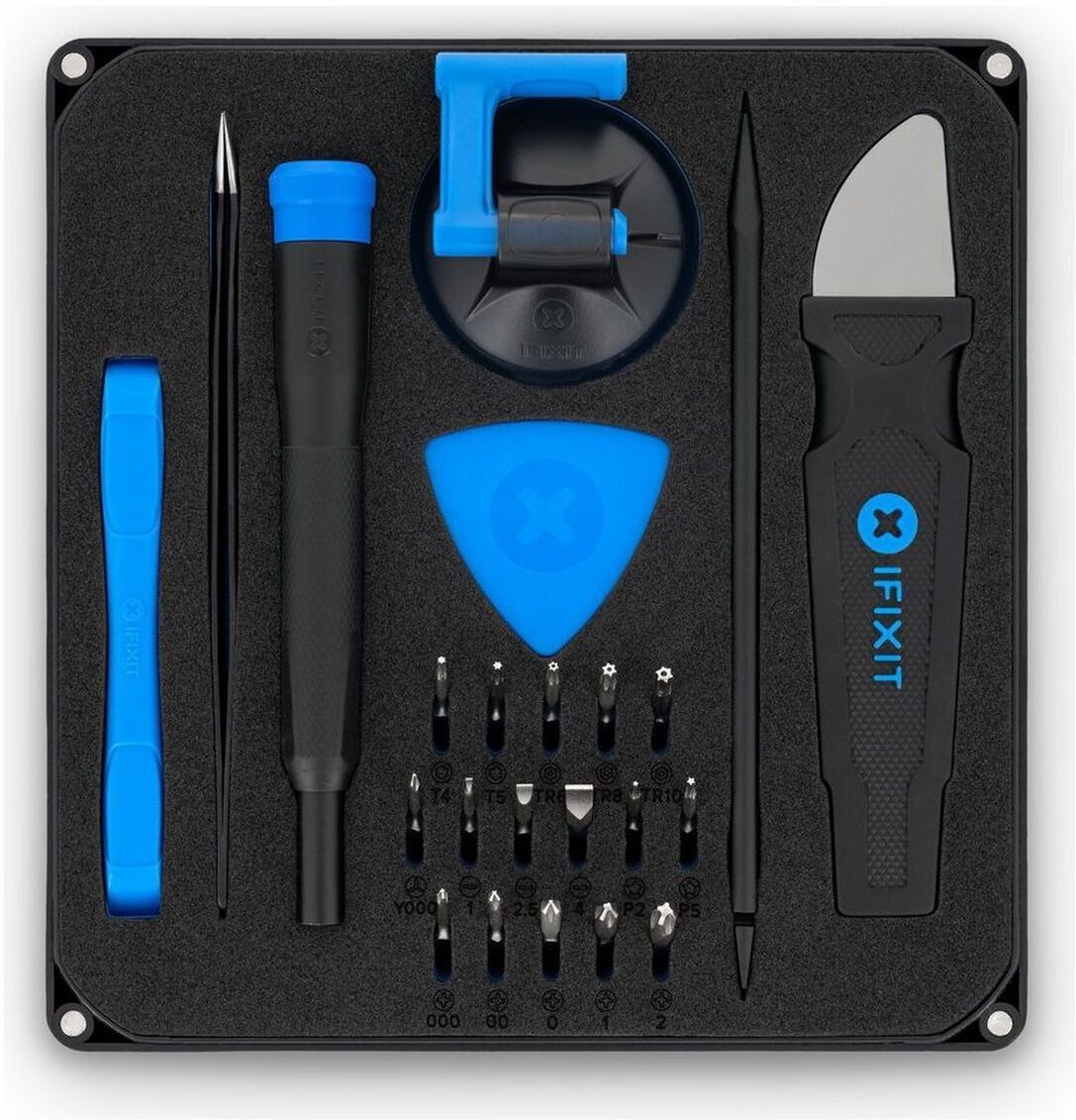
iFixit Essential Electronics ToolkitThe iFixit Essential Electronics Toolkit is a compact starter repair kit for phones, tablets, laptops, game consoles and other small electronics. It includes a precision bit driver with 16 precision bits plus the basic opening and prying tools needed for common repairs such as screen and battery replacements.40,99 £*Shipping: 0,00 £Secure redirect to the provider
-
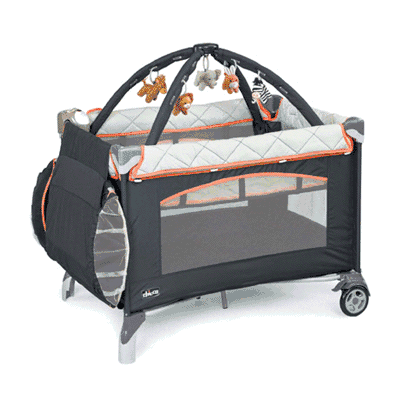
Chicco Lullaby Playard with Electronics in IcebergQuilted mattress is thickly padded for babys nap time or playtime comfort ; Removable mattress covering is easy to machine wash ; Changing table is elevated for ease of use and thickly padded for babys comfort ; Quilted bassinet is perfect for...159,99 $*Shipping: 0,00 $Secure redirect to the provider
-
Delta Electronics Delta DPS-200PB-128 D 200W Flex ATX Power SupplyReliable 200W Power Supply for SFF Desktops and Lenovo Systems Upgrade or replace your SFF desktop PSU with the Delta Electronics DPS-200PB-128 D, a compact 200W Flex ATX power supply unit commonly used in Lenovo ThinkCentre A51 and other OEM systems. This unit offers reliable performance and silent operation. Model: DPS-200PB-128 D Wattage: 145W, max 200W Form Factor: Flex ATX Connectors: - 20-pin ATX main power connector- 4-pin 12V CPU power connector- 3x Molex (IDE) power connectors- 1x Floppy drive power connector Suitable for Lenovo ThinkCentre A5129,95 £*Shipping: 0,00 £Secure redirect to the provider
-
Multicon Wholesale Hub Durable Silicone Wire Clamp, Adjustable Workbench Soldering Station For Electronics And Automotive Repairs Durable Silicone Wire Clamp, Adjustable Workbench Soldering Station For Electronics And Automotive RepairsAchieve precise and efficient soldering with this Silicone Wire Clamp Bracket Workbench Soldering Station. Whether you're a professional welder or a DIY enthusiast, this durable tool is designed to make your soldering tasks easier, faster, and more...53,97 $*Shipping: 0,00 $Secure redirect to the provider
-
What is better: Electronics technician for industrial engineering or electronics technician for energy and building technology?
The choice between being an electronics technician for industrial engineering or energy and building technology depends on your interests and career goals. If you enjoy working with complex machinery and systems in manufacturing environments, then industrial engineering may be a better fit for you. On the other hand, if you are passionate about sustainable energy solutions and building technology, then energy and building technology could be more fulfilling. Consider your strengths, interests, and long-term career aspirations to make the best decision for yourself. **
-
Are there major differences between the training for an electronics technician for industrial engineering and an electronics technician for automation technology?
Yes, there are major differences between the training for an electronics technician for industrial engineering and an electronics technician for automation technology. Electronics technicians for industrial engineering focus on the installation, maintenance, and repair of electrical systems in industrial settings, while electronics technicians for automation technology specialize in designing, programming, and maintaining automated systems and machinery. The training for automation technology may involve more advanced coursework in robotics, control systems, and programming languages compared to industrial engineering. Additionally, automation technology technicians may work more closely with engineers to develop and implement automated solutions, while industrial engineering technicians may focus more on troubleshooting and maintaining existing systems. **
-
What is the difference between electrical engineering, electronics, information technology, and computer engineering?
Electrical engineering focuses on the generation, distribution, and control of electrical energy, as well as the design of electrical systems. Electronics deals with the study of electronic components, circuits, and systems that use electricity to process information. Information technology involves the use of computers and software to manage and process data. Computer engineering combines elements of both electrical engineering and computer science to design and develop computer systems and hardware. Each field has its own specialized focus and applications within the broader realm of technology. **
-
What is the difference between an electronics technician for industrial engineering and an electronics technician for automation technology?
An electronics technician for industrial engineering typically focuses on maintaining and repairing electronic systems used in various industries, such as manufacturing plants or power plants. They are responsible for ensuring that electronic equipment operates efficiently and safely within an industrial setting. On the other hand, an electronics technician for automation technology specializes in designing, installing, and maintaining automated systems that control machinery and processes. They work with programmable logic controllers (PLCs) and other advanced technologies to optimize production processes and increase efficiency in industrial automation. **
Similar search terms for Electronics
-
Uplifted Goods CR2025 3V Lithium Coin Cell Batteries For Watches And Electronics 50pcsKeep your devices powered with the CR2025 3V Lithium Coin Cell Batteries. These reliable and longlasting batteries are perfect for watches, calculators, toys, car remotes, and other small electronics. Designed for safety and consistent performance,...75,97 $*Shipping: 0,00 $Secure redirect to the provider
-
Youfap Market Heat Pointed Resistant Tweezer, Ceramic Tipped Stainless Steel Tweezers, Fine Pointed Tip For Soldering Electronics Heat Pointed Resistant Tweezer, Ceramic Tipped Stainless Steel Tweezers, Fine Pointed Tip For Soldering ElectronicsPerfect for Precision Soldering Jobs Crafted for electronic soldering, these ceramic tipped stainless steel tweezers offer superior precision and control. The fine pointed tip is ideal for handling small components and wires in delicate electronics....29,97 $*Shipping: 0,00 $Secure redirect to the provider
-
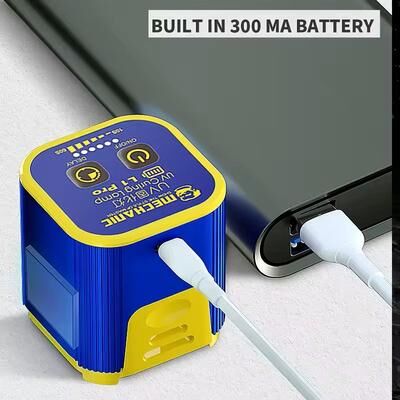
Uplift Essentials MECHANIC L1 Pro UV Curing Lamp For Fast Precision Electronics Repair l1Speed up your electronics repair workflow with the powerful and intelligent UV curing lamp from MECHANIC. Designed for professionals working with motherboard solder masks and UV glues, this 7W highpower curing light delivers rapid, even exposure for...67,98 $*Shipping: 0,00 $Secure redirect to the provider
-
Chicco Lullaby Playard with Electronics in ExplorerQuilted mattress is thickly padded for babys nap time or playtime comfort ; Removable mattress covering is easy to machine wash ; Changing table is elevated for ease of use and thickly padded for babys comfort ; Quilted bassinet is perfect for...149,99 $*Shipping: 0,00 $Secure redirect to the provider
-
How does one switch from an electronics technician for industrial engineering to an electronics technician for automation technology?
To switch from being an electronics technician for industrial engineering to automation technology, one can start by gaining knowledge and skills specific to automation technology through courses, workshops, or certifications. It is important to familiarize oneself with automation systems, PLC programming, robotics, and other relevant technologies. Networking with professionals in the automation industry and seeking opportunities for hands-on experience in automation projects can also be beneficial. Updating one's resume and highlighting any relevant experience or skills related to automation technology will help in transitioning to a new role as an electronics technician for automation technology. **
-
How do you switch from an electronics technician for industrial engineering to an electronics technician for automation technology?
To switch from being an electronics technician for industrial engineering to automation technology, you may need to acquire additional training or certifications specific to automation technology. This could involve taking courses or workshops focused on automation systems, programmable logic controllers (PLCs), robotics, and other relevant technologies. It would also be beneficial to gain practical experience in automation technology through internships or on-the-job training. Networking with professionals in the automation technology field and seeking out job opportunities that align with your new career focus can also help facilitate the transition. **
-
How can one switch from an electronics technician for industrial engineering to an electronics technician for automation technology?
To switch from being an electronics technician for industrial engineering to automation technology, one can start by gaining knowledge and skills specific to automation technology through courses or training programs. It is important to familiarize oneself with automation systems, PLC programming, and control systems. Additionally, gaining hands-on experience in automation technology through internships or on-the-job training can be beneficial. Networking with professionals in the automation technology field and seeking mentorship can also help in making a successful transition. **
-
What is the difference between an electronics technician for industrial engineering and an electronics technician for energy and building technology?
An electronics technician for industrial engineering typically works in manufacturing settings, focusing on the installation, maintenance, and repair of electronic systems used in industrial machinery and equipment. On the other hand, an electronics technician for energy and building technology specializes in the installation, maintenance, and repair of electronic systems used in buildings, such as heating, ventilation, air conditioning, and energy management systems. While both roles require similar technical skills, the specific applications and industries they work in differ significantly. **
* All prices are inclusive of VAT and, if applicable, plus shipping costs. The offer information is based on the details provided by the respective shop and is updated through automated processes. Real-time updates do not occur, so deviations can occur in individual cases. ** Note: Parts of this content were created by AI.