Buy cbet.eu ?
We are moving the project
cbet.eu .
Are you interested in purchasing the domain
cbet.eu ?
domain@kv-gmbh.de · 0541-91531010
Buy cbet.eu ?
What are the tolerances?
Tolerances refer to the allowable deviation from a specified dimension or value in a manufacturing process. They ensure that the final product meets the required specifications and functions correctly. Tolerances are typically expressed as a range or limit within which a part or product must fall to be considered acceptable. Tighter tolerances result in higher precision but may also increase production costs. **
When are general tolerances necessary?
General tolerances are necessary when specific tolerances are not provided or required for a particular dimension or feature. They help ensure that the overall quality and functionality of a part or product are maintained within acceptable limits. General tolerances are typically used in situations where precise measurements are not critical, allowing for a more cost-effective and efficient manufacturing process. **


Similar search terms for Tolerances
Top-Angebote
Products related to Tolerances:
-
Usborne STEM Scribble Books Collection – 4 Book Set Science, Technology, Engineering & Maths Activity Books for KidsInspire curiosity and creative learning with the Usborne STEM Scribble Books Collection – 4 Book Set, from the trusted Usborne. This exciting educational collection includes: Science Scribble Book Technology Scribble Book Engineering Scribble Book Maths Scribble Book Packed with fun activities, puzzles, drawing challenges, and problem-solving exercises, these interactive scribble books introduce children to the exciting world of STEM (Science, Technology, Engineering, and Mathematics). Designed to make learning enjoyable, they encourage creativity, logical thinking, and hands-on exploration. Perfect for home learning, classroom activities, school holidays, and travel, this collection helps children build confidence while developing essential STEM skills. Why Parents & Teachers Love This Collection: Includes 4 engaging STEM activity books Encourages creativity, problem-solving, and critical thinking Covers Science, Technology, Engineering & Maths Interactive scribble activities make learning fun Ideal for children aged 6+, home learning, and classrooms A fantastic educational resource, the Usborne STEM Scribble Books Collection helps children discover, create, and learn through exciting hands-on activities.8,99 £*Shipping: 2,99 £Secure redirect to the provider
-
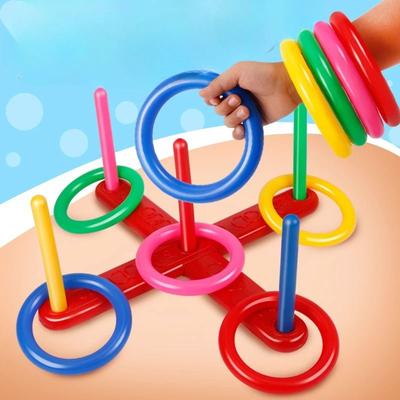
Uplifted Finds Interactive Ring Toss Training System Professional Early Education & Pediatric Fitness Infrastructure Interactive Ring Toss Training System Professional Early Education & Pediatric Fitness InfrastructureCommand ultimate developmental confidence with the Interactive Ring Toss Training System, a highperformance educational solution specifically engineered to act as a comprehensive tool for elite organization and superior technical ergonomics. Built...52,97 $*Shipping: 0,00 $Secure redirect to the provider
-
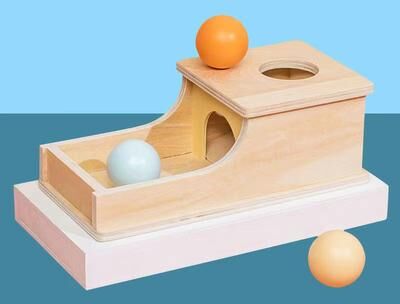
Tiny Tots Teens Trends Drawer Game Early Education Montessori Wooden Pitch Ball Box Preschool Learning Training Toy Drawer Game Early Education Montessori Wooden Pitch Ball Box Preschool Learning Training ToyThis Montessori Wooden Pitch Ball Box Drawer Game is a thoughtfully designed earlyeducation toy that transforms playtime into purposeful learning. Crafted for toddlers and preschoolers, it offers a handson, engaging way to support key developmental...39,97 $*Shipping: 0,00 $Secure redirect to the provider

-
What are tolerances and fits?
Tolerances and fits are important concepts in engineering and manufacturing that determine the allowable deviation in dimensions of mating parts. Tolerance refers to the acceptable range of variation in a part's dimensions, while fit describes how two parts with specified tolerances will fit together. The fit between two parts can be categorized as clearance fit, interference fit, or transition fit, depending on the relative sizes of the parts and the intended level of interference between them. Properly defining tolerances and fits is crucial for ensuring that parts will function correctly when assembled. **
-
What are fits and tolerances 2?
Fits and tolerances are a system used to control the dimensions and quality of mating parts in engineering and manufacturing. The fit refers to the degree of tightness or looseness between two mating parts, while the tolerance refers to the allowable variation in the dimensions of a part. By specifying fits and tolerances, engineers can ensure that parts fit together properly and function as intended. This system helps to minimize errors and ensure consistency in the production of mechanical components. **
-
What are the tolerances for DHL parcels?
The tolerances for DHL parcels can vary depending on the specific service and destination. Generally, DHL allows for a weight tolerance of +/- 0.5kg for parcels. Additionally, there may be size restrictions for parcels, with dimensions typically ranging from a minimum of 15cm x 11cm x 1cm to a maximum of 120cm x 80cm x 80cm. It is important to check the specific guidelines for the type of service and destination when sending a parcel with DHL to ensure it meets the required tolerances. **
-
What is the topic of general tolerances?
General tolerances refer to the acceptable deviation or variation in dimensions or properties of a part or product during the manufacturing process. These tolerances are typically specified in engineering drawings to ensure that the final product meets the required quality standards. General tolerances cover a range of factors such as dimensions, form, position, and orientation, and help to ensure that parts can fit and function together properly. Adhering to general tolerances is crucial for achieving consistency, interchangeability, and overall quality in manufacturing processes. **
What are the angular tolerances in millimeters?
The angular tolerances in millimeters are typically very small, often in the range of 0.1 to 0.5 millimeters. These tolerances are crucial for ensuring the precise alignment and fit of components in various mechanical and engineering applications. Meeting these tight angular tolerances is essential for maintaining the functionality, performance, and safety of the final product. **
What ISO tolerances are possible when turning?
When turning, ISO tolerances ranging from IT6 to IT11 are commonly achievable. IT6 is a very tight tolerance, while IT11 is a looser tolerance. The specific tolerance that can be achieved will depend on factors such as the material being turned, the cutting tools used, and the skill of the machinist. It is important to carefully consider the required tolerances for the specific application when selecting the appropriate ISO tolerance for turning. **
Top-Angebote
Products related to Tolerances:
-
Perfect Picks Market Geometric Building Blocks Set For Kids Early Education Intelligence Development Toy Geometric Building Blocks Set For Kids Early Education Intelligence Development ToyUnlock your child's potential with this early education equipment designed to stimulate creativity and intelligence! This geometric set is the perfect building block toy for boys, helping to develop problemsolving skills while having fun. The...35,97 $*Shipping: 0,00 $Secure redirect to the provider
-
Uplifted Finds Children's 3D Puzzle Early Education Fun DIY Paste Wood Educational Toys For Kids engineeringEncourage cognitive development and creativity with this Children's 3D Puzzle, an essential Early Education Fun DIY Paste toy designed for curious young minds. This highquality Wooden Puzzle features vibrant, 3D animal and vehicle characters,...54,97 $*Shipping: 0,00 $Secure redirect to the provider
-
Usborne STEM Scribble Books Collection – 4 Book Set Science, Technology, Engineering & Maths Activity Books for KidsInspire curiosity and creative learning with the Usborne STEM Scribble Books Collection – 4 Book Set, from the trusted Usborne. This exciting educational collection includes: Science Scribble Book Technology Scribble Book Engineering Scribble Book Maths Scribble Book Packed with fun activities, puzzles, drawing challenges, and problem-solving exercises, these interactive scribble books introduce children to the exciting world of STEM (Science, Technology, Engineering, and Mathematics). Designed to make learning enjoyable, they encourage creativity, logical thinking, and hands-on exploration. Perfect for home learning, classroom activities, school holidays, and travel, this collection helps children build confidence while developing essential STEM skills. Why Parents & Teachers Love This Collection: Includes 4 engaging STEM activity books Encourages creativity, problem-solving, and critical thinking Covers Science, Technology, Engineering & Maths Interactive scribble activities make learning fun Ideal for children aged 6+, home learning, and classrooms A fantastic educational resource, the Usborne STEM Scribble Books Collection helps children discover, create, and learn through exciting hands-on activities.8,99 £*Shipping: 2,99 £Secure redirect to the provider
-
What are the tolerances?
Tolerances refer to the allowable deviation from a specified dimension or value in a manufacturing process. They ensure that the final product meets the required specifications and functions correctly. Tolerances are typically expressed as a range or limit within which a part or product must fall to be considered acceptable. Tighter tolerances result in higher precision but may also increase production costs. **
-
When are general tolerances necessary?
General tolerances are necessary when specific tolerances are not provided or required for a particular dimension or feature. They help ensure that the overall quality and functionality of a part or product are maintained within acceptable limits. General tolerances are typically used in situations where precise measurements are not critical, allowing for a more cost-effective and efficient manufacturing process. **
-
What are tolerances and fits?
Tolerances and fits are important concepts in engineering and manufacturing that determine the allowable deviation in dimensions of mating parts. Tolerance refers to the acceptable range of variation in a part's dimensions, while fit describes how two parts with specified tolerances will fit together. The fit between two parts can be categorized as clearance fit, interference fit, or transition fit, depending on the relative sizes of the parts and the intended level of interference between them. Properly defining tolerances and fits is crucial for ensuring that parts will function correctly when assembled. **
-
What are fits and tolerances 2?
Fits and tolerances are a system used to control the dimensions and quality of mating parts in engineering and manufacturing. The fit refers to the degree of tightness or looseness between two mating parts, while the tolerance refers to the allowable variation in the dimensions of a part. By specifying fits and tolerances, engineers can ensure that parts fit together properly and function as intended. This system helps to minimize errors and ensure consistency in the production of mechanical components. **
Similar search terms for Tolerances
-
Uplifted Finds Interactive Ring Toss Training System Professional Early Education & Pediatric Fitness Infrastructure Interactive Ring Toss Training System Professional Early Education & Pediatric Fitness InfrastructureCommand ultimate developmental confidence with the Interactive Ring Toss Training System, a highperformance educational solution specifically engineered to act as a comprehensive tool for elite organization and superior technical ergonomics. Built...52,97 $*Shipping: 0,00 $Secure redirect to the provider
-
Tiny Tots Teens Trends Drawer Game Early Education Montessori Wooden Pitch Ball Box Preschool Learning Training Toy Drawer Game Early Education Montessori Wooden Pitch Ball Box Preschool Learning Training ToyThis Montessori Wooden Pitch Ball Box Drawer Game is a thoughtfully designed earlyeducation toy that transforms playtime into purposeful learning. Crafted for toddlers and preschoolers, it offers a handson, engaging way to support key developmental...39,97 $*Shipping: 0,00 $Secure redirect to the provider
-
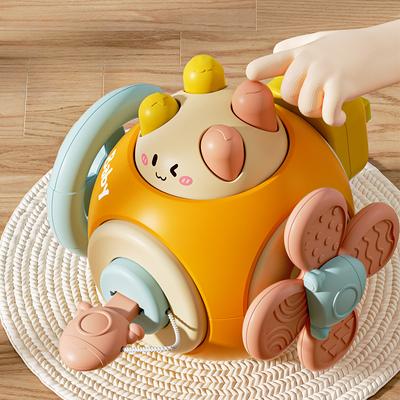
Tiny Tots Teens Trends Montessori Baby Training, Infant Puzzle Early Education Toys, Busy Hand Grasping Ball For Baby Montessori Baby Training, Infant Puzzle Early Education Toys, Busy Hand Grasping Ball For BabyIntroduce Your Baby to the World of Learning The Infant Puzzle Early Education Toys are designed to foster cognitive and physical development in your little one. This Multifunctional Busy Ball for Montessori Baby Training is ideal for enhancing...79,97 $*Shipping: 0,00 $Secure redirect to the provider
-
What are the tolerances for DHL parcels?
The tolerances for DHL parcels can vary depending on the specific service and destination. Generally, DHL allows for a weight tolerance of +/- 0.5kg for parcels. Additionally, there may be size restrictions for parcels, with dimensions typically ranging from a minimum of 15cm x 11cm x 1cm to a maximum of 120cm x 80cm x 80cm. It is important to check the specific guidelines for the type of service and destination when sending a parcel with DHL to ensure it meets the required tolerances. **
-
What is the topic of general tolerances?
General tolerances refer to the acceptable deviation or variation in dimensions or properties of a part or product during the manufacturing process. These tolerances are typically specified in engineering drawings to ensure that the final product meets the required quality standards. General tolerances cover a range of factors such as dimensions, form, position, and orientation, and help to ensure that parts can fit and function together properly. Adhering to general tolerances is crucial for achieving consistency, interchangeability, and overall quality in manufacturing processes. **
-
What are the angular tolerances in millimeters?
The angular tolerances in millimeters are typically very small, often in the range of 0.1 to 0.5 millimeters. These tolerances are crucial for ensuring the precise alignment and fit of components in various mechanical and engineering applications. Meeting these tight angular tolerances is essential for maintaining the functionality, performance, and safety of the final product. **
-
What ISO tolerances are possible when turning?
When turning, ISO tolerances ranging from IT6 to IT11 are commonly achievable. IT6 is a very tight tolerance, while IT11 is a looser tolerance. The specific tolerance that can be achieved will depend on factors such as the material being turned, the cutting tools used, and the skill of the machinist. It is important to carefully consider the required tolerances for the specific application when selecting the appropriate ISO tolerance for turning. **
* All prices are inclusive of VAT and, if applicable, plus shipping costs. The offer information is based on the details provided by the respective shop and is updated through automated processes. Real-time updates do not occur, so deviations can occur in individual cases. ** Note: Parts of this content were created by AI.