Buy cbet.eu ?
We are moving the project
cbet.eu .
Are you interested in purchasing the domain
cbet.eu ?
domain@kv-gmbh.de · 0541-91531010
Buy cbet.eu ?
How do you calculate profitability ratios?
Profitability ratios are calculated by comparing a company's profits to its revenue, assets, equity, or other financial metrics. The most common profitability ratios include gross profit margin, operating profit margin, net profit margin, return on assets, and return on equity. These ratios are calculated by dividing the relevant profit figure by the corresponding financial metric. For example, the net profit margin is calculated by dividing net income by revenue and multiplying by 100 to get a percentage. These ratios help investors and analysts assess a company's ability to generate profits relative to its financial resources. **
What is meant by securing profitability?
Securing profitability refers to the process of ensuring that a company is able to generate consistent profits over the long term. This involves implementing strategies to increase revenues, reduce costs, and manage risks effectively. By securing profitability, a company can sustain its operations, invest in growth opportunities, and provide returns to its shareholders. It is a critical aspect of business management that requires careful planning and execution to achieve financial stability and success. **


Similar search terms for Profitability
Top-Angebote
Products related to Profitability:
-
Usborne STEM Scribble Books Collection – 4 Book Set Science, Technology, Engineering & Maths Activity Books for KidsInspire curiosity and creative learning with the Usborne STEM Scribble Books Collection – 4 Book Set, from the trusted Usborne. This exciting educational collection includes: Science Scribble Book Technology Scribble Book Engineering Scribble Book Maths Scribble Book Packed with fun activities, puzzles, drawing challenges, and problem-solving exercises, these interactive scribble books introduce children to the exciting world of STEM (Science, Technology, Engineering, and Mathematics). Designed to make learning enjoyable, they encourage creativity, logical thinking, and hands-on exploration. Perfect for home learning, classroom activities, school holidays, and travel, this collection helps children build confidence while developing essential STEM skills. Why Parents & Teachers Love This Collection: Includes 4 engaging STEM activity books Encourages creativity, problem-solving, and critical thinking Covers Science, Technology, Engineering & Maths Interactive scribble activities make learning fun Ideal for children aged 6+, home learning, and classrooms A fantastic educational resource, the Usborne STEM Scribble Books Collection helps children discover, create, and learn through exciting hands-on activities.8,99 £*Shipping: 2,99 £Secure redirect to the provider
-
Uplifted Finds Interactive Ring Toss Training System Professional Early Education & Pediatric Fitness Infrastructure Interactive Ring Toss Training System Professional Early Education & Pediatric Fitness InfrastructureCommand ultimate developmental confidence with the Interactive Ring Toss Training System, a highperformance educational solution specifically engineered to act as a comprehensive tool for elite organization and superior technical ergonomics. Built...52,97 $*Shipping: 0,00 $Secure redirect to the provider
-
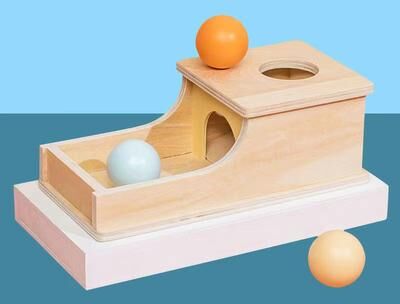
Tiny Tots Teens Trends Drawer Game Early Education Montessori Wooden Pitch Ball Box Preschool Learning Training Toy Drawer Game Early Education Montessori Wooden Pitch Ball Box Preschool Learning Training ToyThis Montessori Wooden Pitch Ball Box Drawer Game is a thoughtfully designed earlyeducation toy that transforms playtime into purposeful learning. Crafted for toddlers and preschoolers, it offers a handson, engaging way to support key developmental...39,97 $*Shipping: 0,00 $Secure redirect to the provider



-
What is the profitability of studying?
Studying can lead to increased profitability in various ways. By acquiring knowledge and skills through education, individuals can enhance their job prospects and earning potential. Additionally, studying can help individuals develop critical thinking, problem-solving, and communication skills that are highly valued in the workforce. Furthermore, continuous learning and education can open up opportunities for career advancement and personal growth, ultimately leading to a more fulfilling and financially rewarding career. **
-
What is profitability in business administration?
Profitability in business administration refers to the ability of a company to generate profits from its operations. It is a measure of how efficiently a company is able to use its resources to generate revenue and ultimately, make a profit. Profitability is a key indicator of a company's financial health and is often used by investors and stakeholders to assess the company's performance and potential for growth. It is typically measured using financial ratios such as return on investment, profit margin, and return on assets. **
-
How does profitability change with constant productivity?
Profitability typically increases with constant productivity as it allows a company to produce more goods or services without incurring additional costs. This can lead to economies of scale, lower production costs per unit, and higher profit margins. However, if demand does not increase proportionally with productivity, it could lead to oversupply and potential price reductions, which may impact profitability. Overall, maintaining constant productivity is essential for maximizing profitability in the long run. **
-
Can profitability increase even if productivity decreases?
Yes, profitability can increase even if productivity decreases if the decrease in productivity is offset by an increase in prices or cost reductions. For example, a company may be able to raise prices for its products or services, which can lead to higher profitability even if productivity decreases. Additionally, cost reductions in other areas of the business, such as overhead or materials, can also contribute to increased profitability despite a decrease in productivity. However, in the long run, sustained decreases in productivity may negatively impact profitability if not addressed. **

What is the difference between productivity, efficiency, and profitability?
Productivity refers to the amount of output produced per unit of input, such as time or resources. Efficiency, on the other hand, focuses on how well resources are used to achieve a specific goal or output. Profitability, meanwhile, is a measure of how efficiently a company generates profit relative to its costs and expenses. In essence, productivity is about output per input, efficiency is about resource utilization, and profitability is about the bottom line of a business. **
What impact do cost-cutting measures have on profitability?
Cost-cutting measures can have a positive impact on profitability by reducing expenses and increasing the bottom line. By streamlining operations, reducing waste, and negotiating better deals with suppliers, a company can improve its profit margins. However, cost-cutting measures should be implemented strategically to avoid negatively impacting the quality of products or services, as this could ultimately harm profitability in the long run. It's important for companies to find a balance between reducing costs and maintaining the value they provide to customers. **
Top-Angebote
Products related to Profitability:
-
Perfect Picks Market Geometric Building Blocks Set For Kids Early Education Intelligence Development Toy Geometric Building Blocks Set For Kids Early Education Intelligence Development ToyUnlock your child's potential with this early education equipment designed to stimulate creativity and intelligence! This geometric set is the perfect building block toy for boys, helping to develop problemsolving skills while having fun. The...35,97 $*Shipping: 0,00 $Secure redirect to the provider
-
Uplifted Finds Children's 3D Puzzle Early Education Fun DIY Paste Wood Educational Toys For Kids engineeringEncourage cognitive development and creativity with this Children's 3D Puzzle, an essential Early Education Fun DIY Paste toy designed for curious young minds. This highquality Wooden Puzzle features vibrant, 3D animal and vehicle characters,...54,97 $*Shipping: 0,00 $Secure redirect to the provider
-
Usborne STEM Scribble Books Collection – 4 Book Set Science, Technology, Engineering & Maths Activity Books for KidsInspire curiosity and creative learning with the Usborne STEM Scribble Books Collection – 4 Book Set, from the trusted Usborne. This exciting educational collection includes: Science Scribble Book Technology Scribble Book Engineering Scribble Book Maths Scribble Book Packed with fun activities, puzzles, drawing challenges, and problem-solving exercises, these interactive scribble books introduce children to the exciting world of STEM (Science, Technology, Engineering, and Mathematics). Designed to make learning enjoyable, they encourage creativity, logical thinking, and hands-on exploration. Perfect for home learning, classroom activities, school holidays, and travel, this collection helps children build confidence while developing essential STEM skills. Why Parents & Teachers Love This Collection: Includes 4 engaging STEM activity books Encourages creativity, problem-solving, and critical thinking Covers Science, Technology, Engineering & Maths Interactive scribble activities make learning fun Ideal for children aged 6+, home learning, and classrooms A fantastic educational resource, the Usborne STEM Scribble Books Collection helps children discover, create, and learn through exciting hands-on activities.8,99 £*Shipping: 2,99 £Secure redirect to the provider
-
How do you calculate profitability ratios?
Profitability ratios are calculated by comparing a company's profits to its revenue, assets, equity, or other financial metrics. The most common profitability ratios include gross profit margin, operating profit margin, net profit margin, return on assets, and return on equity. These ratios are calculated by dividing the relevant profit figure by the corresponding financial metric. For example, the net profit margin is calculated by dividing net income by revenue and multiplying by 100 to get a percentage. These ratios help investors and analysts assess a company's ability to generate profits relative to its financial resources. **
-
What is meant by securing profitability?
Securing profitability refers to the process of ensuring that a company is able to generate consistent profits over the long term. This involves implementing strategies to increase revenues, reduce costs, and manage risks effectively. By securing profitability, a company can sustain its operations, invest in growth opportunities, and provide returns to its shareholders. It is a critical aspect of business management that requires careful planning and execution to achieve financial stability and success. **
-
What is the profitability of studying?
Studying can lead to increased profitability in various ways. By acquiring knowledge and skills through education, individuals can enhance their job prospects and earning potential. Additionally, studying can help individuals develop critical thinking, problem-solving, and communication skills that are highly valued in the workforce. Furthermore, continuous learning and education can open up opportunities for career advancement and personal growth, ultimately leading to a more fulfilling and financially rewarding career. **
-
What is profitability in business administration?
Profitability in business administration refers to the ability of a company to generate profits from its operations. It is a measure of how efficiently a company is able to use its resources to generate revenue and ultimately, make a profit. Profitability is a key indicator of a company's financial health and is often used by investors and stakeholders to assess the company's performance and potential for growth. It is typically measured using financial ratios such as return on investment, profit margin, and return on assets. **
Similar search terms for Profitability
-
Uplifted Finds Interactive Ring Toss Training System Professional Early Education & Pediatric Fitness Infrastructure Interactive Ring Toss Training System Professional Early Education & Pediatric Fitness InfrastructureCommand ultimate developmental confidence with the Interactive Ring Toss Training System, a highperformance educational solution specifically engineered to act as a comprehensive tool for elite organization and superior technical ergonomics. Built...52,97 $*Shipping: 0,00 $Secure redirect to the provider
-
Tiny Tots Teens Trends Drawer Game Early Education Montessori Wooden Pitch Ball Box Preschool Learning Training Toy Drawer Game Early Education Montessori Wooden Pitch Ball Box Preschool Learning Training ToyThis Montessori Wooden Pitch Ball Box Drawer Game is a thoughtfully designed earlyeducation toy that transforms playtime into purposeful learning. Crafted for toddlers and preschoolers, it offers a handson, engaging way to support key developmental...39,97 $*Shipping: 0,00 $Secure redirect to the provider
-
Tiny Tots Teens Trends Montessori Baby Training, Infant Puzzle Early Education Toys, Busy Hand Grasping Ball For Baby Montessori Baby Training, Infant Puzzle Early Education Toys, Busy Hand Grasping Ball For BabyIntroduce Your Baby to the World of Learning The Infant Puzzle Early Education Toys are designed to foster cognitive and physical development in your little one. This Multifunctional Busy Ball for Montessori Baby Training is ideal for enhancing...79,97 $*Shipping: 0,00 $Secure redirect to the provider
-
How does profitability change with constant productivity?
Profitability typically increases with constant productivity as it allows a company to produce more goods or services without incurring additional costs. This can lead to economies of scale, lower production costs per unit, and higher profit margins. However, if demand does not increase proportionally with productivity, it could lead to oversupply and potential price reductions, which may impact profitability. Overall, maintaining constant productivity is essential for maximizing profitability in the long run. **
-
Can profitability increase even if productivity decreases?
Yes, profitability can increase even if productivity decreases if the decrease in productivity is offset by an increase in prices or cost reductions. For example, a company may be able to raise prices for its products or services, which can lead to higher profitability even if productivity decreases. Additionally, cost reductions in other areas of the business, such as overhead or materials, can also contribute to increased profitability despite a decrease in productivity. However, in the long run, sustained decreases in productivity may negatively impact profitability if not addressed. **
-
What is the difference between productivity, efficiency, and profitability?
Productivity refers to the amount of output produced per unit of input, such as time or resources. Efficiency, on the other hand, focuses on how well resources are used to achieve a specific goal or output. Profitability, meanwhile, is a measure of how efficiently a company generates profit relative to its costs and expenses. In essence, productivity is about output per input, efficiency is about resource utilization, and profitability is about the bottom line of a business. **
-
What impact do cost-cutting measures have on profitability?
Cost-cutting measures can have a positive impact on profitability by reducing expenses and increasing the bottom line. By streamlining operations, reducing waste, and negotiating better deals with suppliers, a company can improve its profit margins. However, cost-cutting measures should be implemented strategically to avoid negatively impacting the quality of products or services, as this could ultimately harm profitability in the long run. It's important for companies to find a balance between reducing costs and maintaining the value they provide to customers. **
* All prices are inclusive of VAT and, if applicable, plus shipping costs. The offer information is based on the details provided by the respective shop and is updated through automated processes. Real-time updates do not occur, so deviations can occur in individual cases. ** Note: Parts of this content were created by AI.