Buy cbet.eu ?
We are moving the project
cbet.eu .
Are you interested in purchasing the domain
cbet.eu ?
domain@kv-gmbh.de · 0541-91531010
Buy cbet.eu ?
How did the peasants in the Peasants' War intend to enforce their demands?
The peasants in the Peasants' War intended to enforce their demands through armed rebellion and uprisings against the ruling nobility and authorities. They organized themselves into large groups, often led by charismatic leaders, and sought to challenge the oppressive feudal system by seizing control of land and resources. The peasants also engaged in acts of sabotage and destruction to pressure the ruling class into meeting their demands for greater rights and freedoms. Ultimately, the peasants' efforts were met with violent suppression by the ruling elites, leading to the failure of the Peasants' War. **
When were the peasants freed?
The peasants were freed in 1861 when Tsar Alexander II of Russia issued the Emancipation Manifesto, which abolished serfdom in the Russian Empire. This decree granted the peasants personal freedoms and the ability to own land, marking a significant shift in the social structure of Russia. The emancipation of the peasants was a major reform that aimed to modernize the country and improve the living conditions of the rural population. **


Similar search terms for Peasants
Top-Angebote
Products related to Peasants:
-
Usborne STEM Scribble Books Collection – 4 Book Set Science, Technology, Engineering & Maths Activity Books for KidsInspire curiosity and creative learning with the Usborne STEM Scribble Books Collection – 4 Book Set, from the trusted Usborne. This exciting educational collection includes: Science Scribble Book Technology Scribble Book Engineering Scribble Book Maths Scribble Book Packed with fun activities, puzzles, drawing challenges, and problem-solving exercises, these interactive scribble books introduce children to the exciting world of STEM (Science, Technology, Engineering, and Mathematics). Designed to make learning enjoyable, they encourage creativity, logical thinking, and hands-on exploration. Perfect for home learning, classroom activities, school holidays, and travel, this collection helps children build confidence while developing essential STEM skills. Why Parents & Teachers Love This Collection: Includes 4 engaging STEM activity books Encourages creativity, problem-solving, and critical thinking Covers Science, Technology, Engineering & Maths Interactive scribble activities make learning fun Ideal for children aged 6+, home learning, and classrooms A fantastic educational resource, the Usborne STEM Scribble Books Collection helps children discover, create, and learn through exciting hands-on activities.8,99 £*Shipping: 2,99 £Secure redirect to the provider
-
Uplifted Finds Interactive Ring Toss Training System Professional Early Education & Pediatric Fitness Infrastructure Interactive Ring Toss Training System Professional Early Education & Pediatric Fitness InfrastructureCommand ultimate developmental confidence with the Interactive Ring Toss Training System, a highperformance educational solution specifically engineered to act as a comprehensive tool for elite organization and superior technical ergonomics. Built...52,97 $*Shipping: 0,00 $Secure redirect to the provider
-
Tiny Tots Teens Trends Drawer Game Early Education Montessori Wooden Pitch Ball Box Preschool Learning Training Toy Drawer Game Early Education Montessori Wooden Pitch Ball Box Preschool Learning Training ToyThis Montessori Wooden Pitch Ball Box Drawer Game is a thoughtfully designed earlyeducation toy that transforms playtime into purposeful learning. Crafted for toddlers and preschoolers, it offers a handson, engaging way to support key developmental...39,97 $*Shipping: 0,00 $Secure redirect to the provider



-
How was the education of the peasants in the Middle Ages?
In the Middle Ages, the education of peasants was very limited. Most peasants did not receive any formal education and were illiterate. The few who did receive some education were taught basic reading, writing, and arithmetic skills by local clergy or in small village schools. Education was primarily focused on religious teachings and practical skills needed for agricultural work. Overall, the education of peasants in the Middle Ages was minimal and focused on skills necessary for their daily lives. **
-
What was the landlord of the peasants?
The landlord of the peasants was typically a wealthy landowner or noble who owned the land that the peasants lived and worked on. The peasants would pay rent or provide labor in exchange for the right to live on and cultivate the land. The landlord often held significant power and authority over the peasants, collecting taxes, settling disputes, and enforcing laws on the land. This system of landlordship was common in feudal societies where land ownership was concentrated in the hands of a few powerful individuals. **
-
How do you say "you peasants" in German?
In German, "you peasants" can be translated as "ihr Bauern." **
-
What are the causes of the Peasants' War?
The Peasants' War was primarily caused by the oppressive social and economic conditions faced by the peasants in 16th-century Germany. The peasants were burdened by heavy taxes, feudal obligations, and exploitation by the nobility and clergy. Additionally, the spread of Protestant ideas, particularly those advocating for social equality and justice, fueled the peasants' desire for change and inspired them to revolt against their rulers. The lack of political representation and the desire for greater autonomy also played a significant role in sparking the Peasants' War. **
What are the consequences of the Peasants' War?
The consequences of the Peasants' War were significant. The revolt was brutally suppressed, resulting in the deaths of tens of thousands of peasants and the execution of many of their leaders. The power of the ruling nobility and the Catholic Church was reinforced, and the social and economic conditions of the peasants did not significantly improve. The war also led to increased religious and social tensions in Germany, contributing to the outbreak of the Thirty Years' War in 1618. Overall, the Peasants' War had a lasting impact on the social, political, and religious landscape of Germany. **
What is there to report about the Peasants' War?
The Peasants' War was a major uprising in 16th-century Europe, primarily in the Holy Roman Empire. It was sparked by widespread discontent among the peasant population due to oppressive social and economic conditions. The revolt was characterized by violent clashes between peasants and the ruling nobility, resulting in significant loss of life on both sides. The Peasants' War ultimately ended in defeat for the peasants, with many leaders being captured and executed. **
Top-Angebote
Products related to Peasants:
-
Perfect Picks Market Geometric Building Blocks Set For Kids Early Education Intelligence Development Toy Geometric Building Blocks Set For Kids Early Education Intelligence Development ToyUnlock your child's potential with this early education equipment designed to stimulate creativity and intelligence! This geometric set is the perfect building block toy for boys, helping to develop problemsolving skills while having fun. The...35,97 $*Shipping: 0,00 $Secure redirect to the provider
-
Uplifted Finds Children's 3D Puzzle Early Education Fun DIY Paste Wood Educational Toys For Kids engineeringEncourage cognitive development and creativity with this Children's 3D Puzzle, an essential Early Education Fun DIY Paste toy designed for curious young minds. This highquality Wooden Puzzle features vibrant, 3D animal and vehicle characters,...54,97 $*Shipping: 0,00 $Secure redirect to the provider
-
Usborne STEM Scribble Books Collection – 4 Book Set Science, Technology, Engineering & Maths Activity Books for KidsInspire curiosity and creative learning with the Usborne STEM Scribble Books Collection – 4 Book Set, from the trusted Usborne. This exciting educational collection includes: Science Scribble Book Technology Scribble Book Engineering Scribble Book Maths Scribble Book Packed with fun activities, puzzles, drawing challenges, and problem-solving exercises, these interactive scribble books introduce children to the exciting world of STEM (Science, Technology, Engineering, and Mathematics). Designed to make learning enjoyable, they encourage creativity, logical thinking, and hands-on exploration. Perfect for home learning, classroom activities, school holidays, and travel, this collection helps children build confidence while developing essential STEM skills. Why Parents & Teachers Love This Collection: Includes 4 engaging STEM activity books Encourages creativity, problem-solving, and critical thinking Covers Science, Technology, Engineering & Maths Interactive scribble activities make learning fun Ideal for children aged 6+, home learning, and classrooms A fantastic educational resource, the Usborne STEM Scribble Books Collection helps children discover, create, and learn through exciting hands-on activities.8,99 £*Shipping: 2,99 £Secure redirect to the provider
-
How did the peasants in the Peasants' War intend to enforce their demands?
The peasants in the Peasants' War intended to enforce their demands through armed rebellion and uprisings against the ruling nobility and authorities. They organized themselves into large groups, often led by charismatic leaders, and sought to challenge the oppressive feudal system by seizing control of land and resources. The peasants also engaged in acts of sabotage and destruction to pressure the ruling class into meeting their demands for greater rights and freedoms. Ultimately, the peasants' efforts were met with violent suppression by the ruling elites, leading to the failure of the Peasants' War. **
-
When were the peasants freed?
The peasants were freed in 1861 when Tsar Alexander II of Russia issued the Emancipation Manifesto, which abolished serfdom in the Russian Empire. This decree granted the peasants personal freedoms and the ability to own land, marking a significant shift in the social structure of Russia. The emancipation of the peasants was a major reform that aimed to modernize the country and improve the living conditions of the rural population. **
-
How was the education of the peasants in the Middle Ages?
In the Middle Ages, the education of peasants was very limited. Most peasants did not receive any formal education and were illiterate. The few who did receive some education were taught basic reading, writing, and arithmetic skills by local clergy or in small village schools. Education was primarily focused on religious teachings and practical skills needed for agricultural work. Overall, the education of peasants in the Middle Ages was minimal and focused on skills necessary for their daily lives. **
-
What was the landlord of the peasants?
The landlord of the peasants was typically a wealthy landowner or noble who owned the land that the peasants lived and worked on. The peasants would pay rent or provide labor in exchange for the right to live on and cultivate the land. The landlord often held significant power and authority over the peasants, collecting taxes, settling disputes, and enforcing laws on the land. This system of landlordship was common in feudal societies where land ownership was concentrated in the hands of a few powerful individuals. **
Similar search terms for Peasants
-
Uplifted Finds Interactive Ring Toss Training System Professional Early Education & Pediatric Fitness Infrastructure Interactive Ring Toss Training System Professional Early Education & Pediatric Fitness InfrastructureCommand ultimate developmental confidence with the Interactive Ring Toss Training System, a highperformance educational solution specifically engineered to act as a comprehensive tool for elite organization and superior technical ergonomics. Built...52,97 $*Shipping: 0,00 $Secure redirect to the provider
-
Tiny Tots Teens Trends Drawer Game Early Education Montessori Wooden Pitch Ball Box Preschool Learning Training Toy Drawer Game Early Education Montessori Wooden Pitch Ball Box Preschool Learning Training ToyThis Montessori Wooden Pitch Ball Box Drawer Game is a thoughtfully designed earlyeducation toy that transforms playtime into purposeful learning. Crafted for toddlers and preschoolers, it offers a handson, engaging way to support key developmental...39,97 $*Shipping: 0,00 $Secure redirect to the provider
-
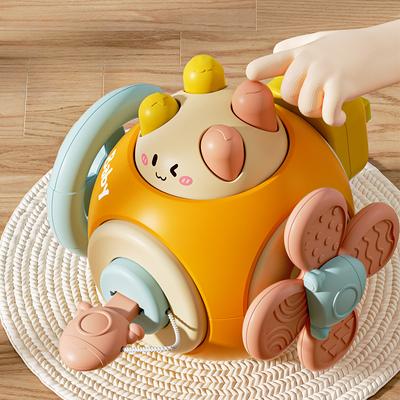
Tiny Tots Teens Trends Montessori Baby Training, Infant Puzzle Early Education Toys, Busy Hand Grasping Ball For Baby Montessori Baby Training, Infant Puzzle Early Education Toys, Busy Hand Grasping Ball For BabyIntroduce Your Baby to the World of Learning The Infant Puzzle Early Education Toys are designed to foster cognitive and physical development in your little one. This Multifunctional Busy Ball for Montessori Baby Training is ideal for enhancing...79,97 $*Shipping: 0,00 $Secure redirect to the provider
-
How do you say "you peasants" in German?
In German, "you peasants" can be translated as "ihr Bauern." **
-
What are the causes of the Peasants' War?
The Peasants' War was primarily caused by the oppressive social and economic conditions faced by the peasants in 16th-century Germany. The peasants were burdened by heavy taxes, feudal obligations, and exploitation by the nobility and clergy. Additionally, the spread of Protestant ideas, particularly those advocating for social equality and justice, fueled the peasants' desire for change and inspired them to revolt against their rulers. The lack of political representation and the desire for greater autonomy also played a significant role in sparking the Peasants' War. **
-
What are the consequences of the Peasants' War?
The consequences of the Peasants' War were significant. The revolt was brutally suppressed, resulting in the deaths of tens of thousands of peasants and the execution of many of their leaders. The power of the ruling nobility and the Catholic Church was reinforced, and the social and economic conditions of the peasants did not significantly improve. The war also led to increased religious and social tensions in Germany, contributing to the outbreak of the Thirty Years' War in 1618. Overall, the Peasants' War had a lasting impact on the social, political, and religious landscape of Germany. **
-
What is there to report about the Peasants' War?
The Peasants' War was a major uprising in 16th-century Europe, primarily in the Holy Roman Empire. It was sparked by widespread discontent among the peasant population due to oppressive social and economic conditions. The revolt was characterized by violent clashes between peasants and the ruling nobility, resulting in significant loss of life on both sides. The Peasants' War ultimately ended in defeat for the peasants, with many leaders being captured and executed. **
* All prices are inclusive of VAT and, if applicable, plus shipping costs. The offer information is based on the details provided by the respective shop and is updated through automated processes. Real-time updates do not occur, so deviations can occur in individual cases. ** Note: Parts of this content were created by AI.