Buy cbet.eu ?
We are moving the project
cbet.eu .
Are you interested in purchasing the domain
cbet.eu ?
domain@kv-gmbh.de · 0541-91531010
Buy cbet.eu ?
What does homology mean?
Homology refers to the similarity between different organisms due to shared ancestry. It can refer to similar structures, genes, or traits that are inherited from a common ancestor. Homology is used in evolutionary biology to study the relationships between different species and to understand how characteristics have evolved over time. **
What are homology and analogy?
Homology refers to similarities in traits between different species that are inherited from a common ancestor. These traits are often structural or genetic in nature and can help scientists understand evolutionary relationships between species. On the other hand, analogy refers to similarities in traits between different species that are not inherited from a common ancestor but have evolved independently due to similar environmental pressures. While homology reflects shared ancestry, analogy reflects convergent evolution. **


Similar search terms for Homology
Top-Angebote
Products related to Homology:
-
Usborne STEM Scribble Books Collection – 4 Book Set Science, Technology, Engineering & Maths Activity Books for KidsInspire curiosity and creative learning with the Usborne STEM Scribble Books Collection – 4 Book Set, from the trusted Usborne. This exciting educational collection includes: Science Scribble Book Technology Scribble Book Engineering Scribble Book Maths Scribble Book Packed with fun activities, puzzles, drawing challenges, and problem-solving exercises, these interactive scribble books introduce children to the exciting world of STEM (Science, Technology, Engineering, and Mathematics). Designed to make learning enjoyable, they encourage creativity, logical thinking, and hands-on exploration. Perfect for home learning, classroom activities, school holidays, and travel, this collection helps children build confidence while developing essential STEM skills. Why Parents & Teachers Love This Collection: Includes 4 engaging STEM activity books Encourages creativity, problem-solving, and critical thinking Covers Science, Technology, Engineering & Maths Interactive scribble activities make learning fun Ideal for children aged 6+, home learning, and classrooms A fantastic educational resource, the Usborne STEM Scribble Books Collection helps children discover, create, and learn through exciting hands-on activities.8,99 £*Shipping: 2,99 £Secure redirect to the provider
-
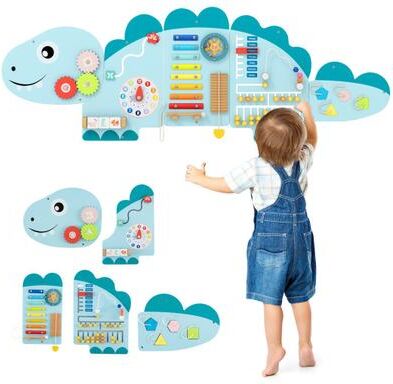
Uplifted Finds Interactive Ring Toss Training System Professional Early Education & Pediatric Fitness Infrastructure Interactive Ring Toss Training System Professional Early Education & Pediatric Fitness InfrastructureCommand ultimate developmental confidence with the Interactive Ring Toss Training System, a highperformance educational solution specifically engineered to act as a comprehensive tool for elite organization and superior technical ergonomics. Built...52,97 $*Shipping: 0,00 $Secure redirect to the provider
-
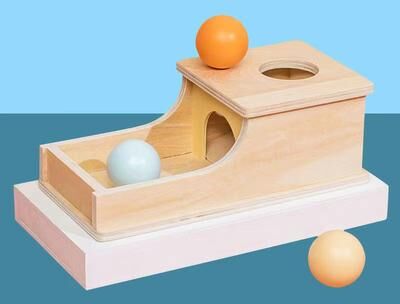
Tiny Tots Teens Trends Drawer Game Early Education Montessori Wooden Pitch Ball Box Preschool Learning Training Toy Drawer Game Early Education Montessori Wooden Pitch Ball Box Preschool Learning Training ToyThis Montessori Wooden Pitch Ball Box Drawer Game is a thoughtfully designed earlyeducation toy that transforms playtime into purposeful learning. Crafted for toddlers and preschoolers, it offers a handson, engaging way to support key developmental...39,97 $*Shipping: 0,00 $Secure redirect to the provider


-
Is it homology or analogy?
Homology refers to similarities in traits due to shared ancestry, while analogy refers to similarities in traits due to convergent evolution. For example, the wings of bats and birds are homologous because they both evolved from a common ancestor with wings, while the wings of birds and insects are analogous because they evolved independently in response to the similar selective pressure of flight. Therefore, the distinction between homology and analogy depends on the evolutionary history of the traits in question. **
-
Is this homology or analogy?
This is an example of homology. Homology refers to the similarity in characteristics between different species due to their shared ancestry. In this case, the similarity in the bone structure of the forelimbs of different vertebrate species is due to their common evolutionary origin from a common ancestor. Analogous structures, on the other hand, are similar in function and appearance but do not share a common evolutionary origin. **
-
Is task 4 an analogy or homology? If it is a homology or analogy, why?
Task 4 is an analogy. This is because an analogy is a comparison between two things that are similar in some ways but otherwise different. In this case, the comparison is between the task of identifying whether a given image is a cat or a dog and the process of identifying whether a given sentence is a statement or a question. Both tasks involve categorizing or classifying different inputs based on specific criteria, even though the inputs themselves are different (images vs. sentences). **
-
What are the homology criteria for the development of the jaw in fish?
The homology criteria for the development of the jaw in fish include the presence of a series of pharyngeal arches, which are composed of cartilage and associated muscles. These arches are homologous to the gill arches in fish and the embryonic structures that give rise to the jaws in other vertebrates. Additionally, the expression of certain genes, such as the Dlx and Hox genes, in the developing jaw structures is also considered a homologous trait across different species. Overall, the developmental processes and genetic pathways involved in jaw formation in fish show homology with those in other vertebrates, supporting the evolutionary relationship between these structures. **
Why is task 4 a homology?
Task 4 is a homology because it involves identifying and analyzing the similarities and differences between two different organisms, the human and the chimpanzee. By comparing the genetic sequences and structures of these two species, we can gain insights into their evolutionary relationship and shared ancestry. This type of comparative analysis is a fundamental aspect of homology studies, as it helps us understand how organisms have evolved over time and how they are related to each other at a genetic level. **
How meaningful is homology and analogy?
Homology and analogy are both important concepts in biology that help us understand the relationships between different species. Homology, which refers to similarities in traits due to shared ancestry, provides valuable insights into evolutionary history and can help us infer common ancestors. On the other hand, analogy, which refers to similarities in traits due to convergent evolution, can help us understand how different species have adapted to similar environments or ecological niches. Both homology and analogy are meaningful in their own ways, as they provide valuable information about the evolutionary processes that have shaped the diversity of life on Earth. **
Top-Angebote
Products related to Homology:
-
Perfect Picks Market Geometric Building Blocks Set For Kids Early Education Intelligence Development Toy Geometric Building Blocks Set For Kids Early Education Intelligence Development ToyUnlock your child's potential with this early education equipment designed to stimulate creativity and intelligence! This geometric set is the perfect building block toy for boys, helping to develop problemsolving skills while having fun. The...35,97 $*Shipping: 0,00 $Secure redirect to the provider
-
Uplifted Finds Children's 3D Puzzle Early Education Fun DIY Paste Wood Educational Toys For Kids engineeringEncourage cognitive development and creativity with this Children's 3D Puzzle, an essential Early Education Fun DIY Paste toy designed for curious young minds. This highquality Wooden Puzzle features vibrant, 3D animal and vehicle characters,...54,97 $*Shipping: 0,00 $Secure redirect to the provider
-
Usborne STEM Scribble Books Collection – 4 Book Set Science, Technology, Engineering & Maths Activity Books for KidsInspire curiosity and creative learning with the Usborne STEM Scribble Books Collection – 4 Book Set, from the trusted Usborne. This exciting educational collection includes: Science Scribble Book Technology Scribble Book Engineering Scribble Book Maths Scribble Book Packed with fun activities, puzzles, drawing challenges, and problem-solving exercises, these interactive scribble books introduce children to the exciting world of STEM (Science, Technology, Engineering, and Mathematics). Designed to make learning enjoyable, they encourage creativity, logical thinking, and hands-on exploration. Perfect for home learning, classroom activities, school holidays, and travel, this collection helps children build confidence while developing essential STEM skills. Why Parents & Teachers Love This Collection: Includes 4 engaging STEM activity books Encourages creativity, problem-solving, and critical thinking Covers Science, Technology, Engineering & Maths Interactive scribble activities make learning fun Ideal for children aged 6+, home learning, and classrooms A fantastic educational resource, the Usborne STEM Scribble Books Collection helps children discover, create, and learn through exciting hands-on activities.8,99 £*Shipping: 2,99 £Secure redirect to the provider
-
What does homology mean?
Homology refers to the similarity between different organisms due to shared ancestry. It can refer to similar structures, genes, or traits that are inherited from a common ancestor. Homology is used in evolutionary biology to study the relationships between different species and to understand how characteristics have evolved over time. **
-
What are homology and analogy?
Homology refers to similarities in traits between different species that are inherited from a common ancestor. These traits are often structural or genetic in nature and can help scientists understand evolutionary relationships between species. On the other hand, analogy refers to similarities in traits between different species that are not inherited from a common ancestor but have evolved independently due to similar environmental pressures. While homology reflects shared ancestry, analogy reflects convergent evolution. **
-
Is it homology or analogy?
Homology refers to similarities in traits due to shared ancestry, while analogy refers to similarities in traits due to convergent evolution. For example, the wings of bats and birds are homologous because they both evolved from a common ancestor with wings, while the wings of birds and insects are analogous because they evolved independently in response to the similar selective pressure of flight. Therefore, the distinction between homology and analogy depends on the evolutionary history of the traits in question. **
-
Is this homology or analogy?
This is an example of homology. Homology refers to the similarity in characteristics between different species due to their shared ancestry. In this case, the similarity in the bone structure of the forelimbs of different vertebrate species is due to their common evolutionary origin from a common ancestor. Analogous structures, on the other hand, are similar in function and appearance but do not share a common evolutionary origin. **
Similar search terms for Homology
-
Uplifted Finds Interactive Ring Toss Training System Professional Early Education & Pediatric Fitness Infrastructure Interactive Ring Toss Training System Professional Early Education & Pediatric Fitness InfrastructureCommand ultimate developmental confidence with the Interactive Ring Toss Training System, a highperformance educational solution specifically engineered to act as a comprehensive tool for elite organization and superior technical ergonomics. Built...52,97 $*Shipping: 0,00 $Secure redirect to the provider
-
Tiny Tots Teens Trends Drawer Game Early Education Montessori Wooden Pitch Ball Box Preschool Learning Training Toy Drawer Game Early Education Montessori Wooden Pitch Ball Box Preschool Learning Training ToyThis Montessori Wooden Pitch Ball Box Drawer Game is a thoughtfully designed earlyeducation toy that transforms playtime into purposeful learning. Crafted for toddlers and preschoolers, it offers a handson, engaging way to support key developmental...39,97 $*Shipping: 0,00 $Secure redirect to the provider
-
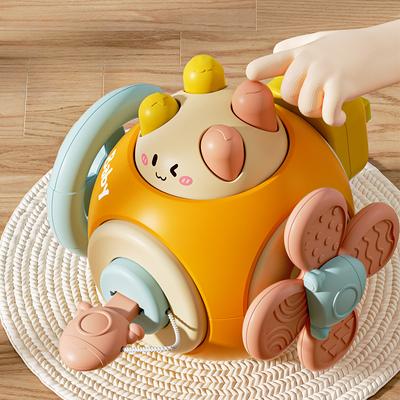
Tiny Tots Teens Trends Montessori Baby Training, Infant Puzzle Early Education Toys, Busy Hand Grasping Ball For Baby Montessori Baby Training, Infant Puzzle Early Education Toys, Busy Hand Grasping Ball For BabyIntroduce Your Baby to the World of Learning The Infant Puzzle Early Education Toys are designed to foster cognitive and physical development in your little one. This Multifunctional Busy Ball for Montessori Baby Training is ideal for enhancing...79,97 $*Shipping: 0,00 $Secure redirect to the provider
-
Is task 4 an analogy or homology? If it is a homology or analogy, why?
Task 4 is an analogy. This is because an analogy is a comparison between two things that are similar in some ways but otherwise different. In this case, the comparison is between the task of identifying whether a given image is a cat or a dog and the process of identifying whether a given sentence is a statement or a question. Both tasks involve categorizing or classifying different inputs based on specific criteria, even though the inputs themselves are different (images vs. sentences). **
-
What are the homology criteria for the development of the jaw in fish?
The homology criteria for the development of the jaw in fish include the presence of a series of pharyngeal arches, which are composed of cartilage and associated muscles. These arches are homologous to the gill arches in fish and the embryonic structures that give rise to the jaws in other vertebrates. Additionally, the expression of certain genes, such as the Dlx and Hox genes, in the developing jaw structures is also considered a homologous trait across different species. Overall, the developmental processes and genetic pathways involved in jaw formation in fish show homology with those in other vertebrates, supporting the evolutionary relationship between these structures. **
-
Why is task 4 a homology?
Task 4 is a homology because it involves identifying and analyzing the similarities and differences between two different organisms, the human and the chimpanzee. By comparing the genetic sequences and structures of these two species, we can gain insights into their evolutionary relationship and shared ancestry. This type of comparative analysis is a fundamental aspect of homology studies, as it helps us understand how organisms have evolved over time and how they are related to each other at a genetic level. **
-
How meaningful is homology and analogy?
Homology and analogy are both important concepts in biology that help us understand the relationships between different species. Homology, which refers to similarities in traits due to shared ancestry, provides valuable insights into evolutionary history and can help us infer common ancestors. On the other hand, analogy, which refers to similarities in traits due to convergent evolution, can help us understand how different species have adapted to similar environments or ecological niches. Both homology and analogy are meaningful in their own ways, as they provide valuable information about the evolutionary processes that have shaped the diversity of life on Earth. **
* All prices are inclusive of VAT and, if applicable, plus shipping costs. The offer information is based on the details provided by the respective shop and is updated through automated processes. Real-time updates do not occur, so deviations can occur in individual cases. ** Note: Parts of this content were created by AI.