Buy cbet.eu ?
We are moving the project
cbet.eu .
Are you interested in purchasing the domain
cbet.eu ?
domain@kv-gmbh.de · 0541-91531010
Buy cbet.eu ?
Is this a phobia?
No, the fear of being alone is not considered a phobia in the traditional sense. Phobias are typically characterized by an irrational and extreme fear of a specific object or situation, leading to avoidance behaviors. The fear of being alone, also known as autophobia, can be a common feeling experienced by many people at some point in their lives, but it does not necessarily meet the criteria for a clinical phobia. **
What is Phobia 14?
Phobia 14 is a fear of speaking in public or in front of a group of people. It is also known as glossophobia. People with this phobia may experience anxiety, rapid heartbeat, sweating, and trembling when faced with speaking situations. This fear can be debilitating and may impact a person's personal and professional life. Treatment options for Phobia 14 may include therapy, relaxation techniques, and exposure therapy. **


Similar search terms for Phobia
Top-Angebote
Products related to Phobia:
-
Usborne STEM Scribble Books Collection – 4 Book Set Science, Technology, Engineering & Maths Activity Books for KidsInspire curiosity and creative learning with the Usborne STEM Scribble Books Collection – 4 Book Set, from the trusted Usborne. This exciting educational collection includes: Science Scribble Book Technology Scribble Book Engineering Scribble Book Maths Scribble Book Packed with fun activities, puzzles, drawing challenges, and problem-solving exercises, these interactive scribble books introduce children to the exciting world of STEM (Science, Technology, Engineering, and Mathematics). Designed to make learning enjoyable, they encourage creativity, logical thinking, and hands-on exploration. Perfect for home learning, classroom activities, school holidays, and travel, this collection helps children build confidence while developing essential STEM skills. Why Parents & Teachers Love This Collection: Includes 4 engaging STEM activity books Encourages creativity, problem-solving, and critical thinking Covers Science, Technology, Engineering & Maths Interactive scribble activities make learning fun Ideal for children aged 6+, home learning, and classrooms A fantastic educational resource, the Usborne STEM Scribble Books Collection helps children discover, create, and learn through exciting hands-on activities.8,99 £*Shipping: 2,99 £Secure redirect to the provider
-
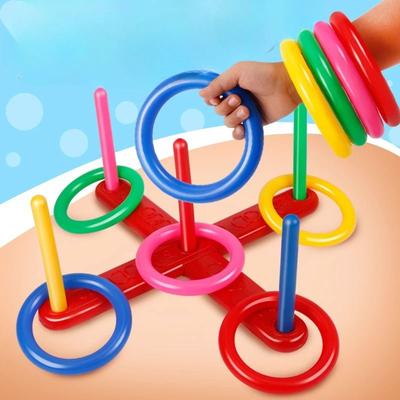
Uplifted Finds Interactive Ring Toss Training System Professional Early Education & Pediatric Fitness Infrastructure Interactive Ring Toss Training System Professional Early Education & Pediatric Fitness InfrastructureCommand ultimate developmental confidence with the Interactive Ring Toss Training System, a highperformance educational solution specifically engineered to act as a comprehensive tool for elite organization and superior technical ergonomics. Built...52,97 $*Shipping: 0,00 $Secure redirect to the provider
-
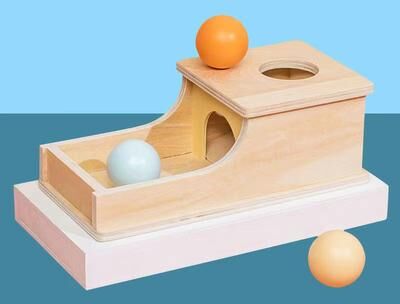
Tiny Tots Teens Trends Drawer Game Early Education Montessori Wooden Pitch Ball Box Preschool Learning Training Toy Drawer Game Early Education Montessori Wooden Pitch Ball Box Preschool Learning Training ToyThis Montessori Wooden Pitch Ball Box Drawer Game is a thoughtfully designed earlyeducation toy that transforms playtime into purposeful learning. Crafted for toddlers and preschoolers, it offers a handson, engaging way to support key developmental...39,97 $*Shipping: 0,00 $Secure redirect to the provider

-
What is escalator phobia?
Escalator phobia, also known as bathmophobia, is a fear of escalators. People with this phobia may experience anxiety, panic attacks, or avoidance behaviors when faced with the prospect of using an escalator. This fear can be triggered by a variety of factors, including a fear of falling, a lack of control, or a traumatic experience. Treatment for escalator phobia may involve therapy, exposure techniques, and relaxation strategies to help individuals overcome their fear and regain confidence in using escalators. **
-
What is Phobia 17?
Phobia 17 is a fear of being touched or of touching others. This phobia can manifest in various ways, such as avoiding physical contact with others, feeling extreme discomfort when touched, or experiencing anxiety about accidentally touching someone. People with Phobia 17 may struggle with forming close relationships or participating in activities that involve physical contact. Treatment for this phobia typically involves therapy, such as cognitive-behavioral therapy, to help individuals manage their fear and develop coping strategies. **
-
What is dentifrice phobia?
Dentifrice phobia, also known as toothpaste phobia, is a specific phobia characterized by an intense and irrational fear of using toothpaste. This fear can be triggered by the taste, texture, or smell of toothpaste, and can lead to avoidance of oral hygiene practices such as brushing teeth. Dentifrice phobia can have negative effects on oral health and overall well-being, and may require professional intervention to address. **
-
What is balloon phobia?
Balloon phobia, also known as globophobia, is a specific phobia characterized by an intense and irrational fear of balloons. People with this phobia may experience anxiety, panic attacks, and avoidance behaviors when they are near balloons or even just thinking about them. This fear may stem from a traumatic experience with a balloon, the fear of the loud popping sound, or the fear of the balloon unexpectedly bursting. Treatment for balloon phobia may include therapy, exposure therapy, and relaxation techniques to help manage the fear. **
What is Phobia 16?
Phobia 16 is a specific phobia related to the fear of needles or injections. It is also known as trypanophobia. People with this phobia may experience extreme anxiety, panic attacks, or avoidance behaviors when faced with the prospect of receiving an injection or having blood drawn. This fear can be quite distressing and can interfere with a person's ability to seek necessary medical treatment. Treatment for Phobia 16 may include therapy, desensitization techniques, and medication to help manage anxiety. **
What causes social phobia?
Social phobia, also known as social anxiety disorder, can be caused by a combination of genetic, environmental, and psychological factors. People with a family history of anxiety disorders may be more likely to develop social phobia. Traumatic or embarrassing experiences in social situations can also contribute to the development of social phobia. Additionally, individuals with low self-esteem or a tendency to be overly self-critical may be more prone to developing social phobia. Overall, social phobia is a complex condition with multiple potential causes. **
Top-Angebote
Products related to Phobia:
-
Perfect Picks Market Geometric Building Blocks Set For Kids Early Education Intelligence Development Toy Geometric Building Blocks Set For Kids Early Education Intelligence Development ToyUnlock your child's potential with this early education equipment designed to stimulate creativity and intelligence! This geometric set is the perfect building block toy for boys, helping to develop problemsolving skills while having fun. The...35,97 $*Shipping: 0,00 $Secure redirect to the provider
-
Uplifted Finds Children's 3D Puzzle Early Education Fun DIY Paste Wood Educational Toys For Kids engineeringEncourage cognitive development and creativity with this Children's 3D Puzzle, an essential Early Education Fun DIY Paste toy designed for curious young minds. This highquality Wooden Puzzle features vibrant, 3D animal and vehicle characters,...54,97 $*Shipping: 0,00 $Secure redirect to the provider
-
Usborne STEM Scribble Books Collection – 4 Book Set Science, Technology, Engineering & Maths Activity Books for KidsInspire curiosity and creative learning with the Usborne STEM Scribble Books Collection – 4 Book Set, from the trusted Usborne. This exciting educational collection includes: Science Scribble Book Technology Scribble Book Engineering Scribble Book Maths Scribble Book Packed with fun activities, puzzles, drawing challenges, and problem-solving exercises, these interactive scribble books introduce children to the exciting world of STEM (Science, Technology, Engineering, and Mathematics). Designed to make learning enjoyable, they encourage creativity, logical thinking, and hands-on exploration. Perfect for home learning, classroom activities, school holidays, and travel, this collection helps children build confidence while developing essential STEM skills. Why Parents & Teachers Love This Collection: Includes 4 engaging STEM activity books Encourages creativity, problem-solving, and critical thinking Covers Science, Technology, Engineering & Maths Interactive scribble activities make learning fun Ideal for children aged 6+, home learning, and classrooms A fantastic educational resource, the Usborne STEM Scribble Books Collection helps children discover, create, and learn through exciting hands-on activities.8,99 £*Shipping: 2,99 £Secure redirect to the provider
-
Is this a phobia?
No, the fear of being alone is not considered a phobia in the traditional sense. Phobias are typically characterized by an irrational and extreme fear of a specific object or situation, leading to avoidance behaviors. The fear of being alone, also known as autophobia, can be a common feeling experienced by many people at some point in their lives, but it does not necessarily meet the criteria for a clinical phobia. **
-
What is Phobia 14?
Phobia 14 is a fear of speaking in public or in front of a group of people. It is also known as glossophobia. People with this phobia may experience anxiety, rapid heartbeat, sweating, and trembling when faced with speaking situations. This fear can be debilitating and may impact a person's personal and professional life. Treatment options for Phobia 14 may include therapy, relaxation techniques, and exposure therapy. **
-
What is escalator phobia?
Escalator phobia, also known as bathmophobia, is a fear of escalators. People with this phobia may experience anxiety, panic attacks, or avoidance behaviors when faced with the prospect of using an escalator. This fear can be triggered by a variety of factors, including a fear of falling, a lack of control, or a traumatic experience. Treatment for escalator phobia may involve therapy, exposure techniques, and relaxation strategies to help individuals overcome their fear and regain confidence in using escalators. **
-
What is Phobia 17?
Phobia 17 is a fear of being touched or of touching others. This phobia can manifest in various ways, such as avoiding physical contact with others, feeling extreme discomfort when touched, or experiencing anxiety about accidentally touching someone. People with Phobia 17 may struggle with forming close relationships or participating in activities that involve physical contact. Treatment for this phobia typically involves therapy, such as cognitive-behavioral therapy, to help individuals manage their fear and develop coping strategies. **
Similar search terms for Phobia
-
Uplifted Finds Interactive Ring Toss Training System Professional Early Education & Pediatric Fitness Infrastructure Interactive Ring Toss Training System Professional Early Education & Pediatric Fitness InfrastructureCommand ultimate developmental confidence with the Interactive Ring Toss Training System, a highperformance educational solution specifically engineered to act as a comprehensive tool for elite organization and superior technical ergonomics. Built...52,97 $*Shipping: 0,00 $Secure redirect to the provider
-
Tiny Tots Teens Trends Drawer Game Early Education Montessori Wooden Pitch Ball Box Preschool Learning Training Toy Drawer Game Early Education Montessori Wooden Pitch Ball Box Preschool Learning Training ToyThis Montessori Wooden Pitch Ball Box Drawer Game is a thoughtfully designed earlyeducation toy that transforms playtime into purposeful learning. Crafted for toddlers and preschoolers, it offers a handson, engaging way to support key developmental...39,97 $*Shipping: 0,00 $Secure redirect to the provider
-
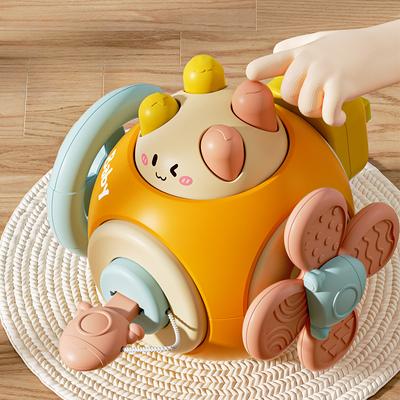
Tiny Tots Teens Trends Montessori Baby Training, Infant Puzzle Early Education Toys, Busy Hand Grasping Ball For Baby Montessori Baby Training, Infant Puzzle Early Education Toys, Busy Hand Grasping Ball For BabyIntroduce Your Baby to the World of Learning The Infant Puzzle Early Education Toys are designed to foster cognitive and physical development in your little one. This Multifunctional Busy Ball for Montessori Baby Training is ideal for enhancing...79,97 $*Shipping: 0,00 $Secure redirect to the provider
-
What is dentifrice phobia?
Dentifrice phobia, also known as toothpaste phobia, is a specific phobia characterized by an intense and irrational fear of using toothpaste. This fear can be triggered by the taste, texture, or smell of toothpaste, and can lead to avoidance of oral hygiene practices such as brushing teeth. Dentifrice phobia can have negative effects on oral health and overall well-being, and may require professional intervention to address. **
-
What is balloon phobia?
Balloon phobia, also known as globophobia, is a specific phobia characterized by an intense and irrational fear of balloons. People with this phobia may experience anxiety, panic attacks, and avoidance behaviors when they are near balloons or even just thinking about them. This fear may stem from a traumatic experience with a balloon, the fear of the loud popping sound, or the fear of the balloon unexpectedly bursting. Treatment for balloon phobia may include therapy, exposure therapy, and relaxation techniques to help manage the fear. **
-
What is Phobia 16?
Phobia 16 is a specific phobia related to the fear of needles or injections. It is also known as trypanophobia. People with this phobia may experience extreme anxiety, panic attacks, or avoidance behaviors when faced with the prospect of receiving an injection or having blood drawn. This fear can be quite distressing and can interfere with a person's ability to seek necessary medical treatment. Treatment for Phobia 16 may include therapy, desensitization techniques, and medication to help manage anxiety. **
-
What causes social phobia?
Social phobia, also known as social anxiety disorder, can be caused by a combination of genetic, environmental, and psychological factors. People with a family history of anxiety disorders may be more likely to develop social phobia. Traumatic or embarrassing experiences in social situations can also contribute to the development of social phobia. Additionally, individuals with low self-esteem or a tendency to be overly self-critical may be more prone to developing social phobia. Overall, social phobia is a complex condition with multiple potential causes. **
* All prices are inclusive of VAT and, if applicable, plus shipping costs. The offer information is based on the details provided by the respective shop and is updated through automated processes. Real-time updates do not occur, so deviations can occur in individual cases. ** Note: Parts of this content were created by AI.