Buy cbet.eu ?
We are moving the project
cbet.eu .
Are you interested in purchasing the domain
cbet.eu ?
domain@kv-gmbh.de · 0541-91531010
Buy cbet.eu ?
'm antworten kann. Vielen Dank!
Natürlich, ich stehe Ihnen gerne zur Verfügung, um Ihre Frage zu beantworten. Bitte zögern Sie nicht, mir Ihre Frage zu stellen, und ich werde mein Bestes tun, um Ihnen zu helfen. Vielen Dank für Ihr Vertrauen und die Gelegenheit, Ihnen zu helfen! **
What is the difference between "Jo, kann man machen" and "Ja, kann man machen"?
The difference between "Jo, kann man machen" and "Ja, kann man machen" lies in the informal and formal tone. "Jo" is a colloquial and informal way of saying "Ja" in some German dialects, while "Ja" is the standard formal way of saying "yes" in German. Therefore, "Jo, kann man machen" is more casual and relaxed, while "Ja, kann man machen" is more polite and formal. **


Similar search terms for Kann
Top-Angebote
Products related to Kann:
-
Usborne STEM Scribble Books Collection – 4 Book Set Science, Technology, Engineering & Maths Activity Books for KidsInspire curiosity and creative learning with the Usborne STEM Scribble Books Collection – 4 Book Set, from the trusted Usborne. This exciting educational collection includes: Science Scribble Book Technology Scribble Book Engineering Scribble Book Maths Scribble Book Packed with fun activities, puzzles, drawing challenges, and problem-solving exercises, these interactive scribble books introduce children to the exciting world of STEM (Science, Technology, Engineering, and Mathematics). Designed to make learning enjoyable, they encourage creativity, logical thinking, and hands-on exploration. Perfect for home learning, classroom activities, school holidays, and travel, this collection helps children build confidence while developing essential STEM skills. Why Parents & Teachers Love This Collection: Includes 4 engaging STEM activity books Encourages creativity, problem-solving, and critical thinking Covers Science, Technology, Engineering & Maths Interactive scribble activities make learning fun Ideal for children aged 6+, home learning, and classrooms A fantastic educational resource, the Usborne STEM Scribble Books Collection helps children discover, create, and learn through exciting hands-on activities.8,99 £*Shipping: 2,99 £Secure redirect to the provider
-
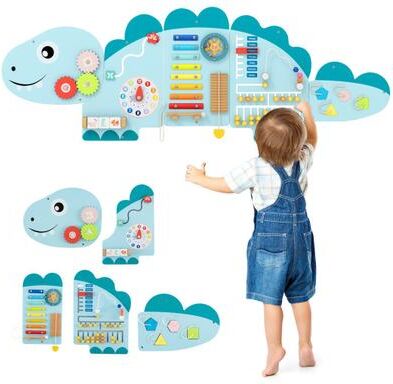
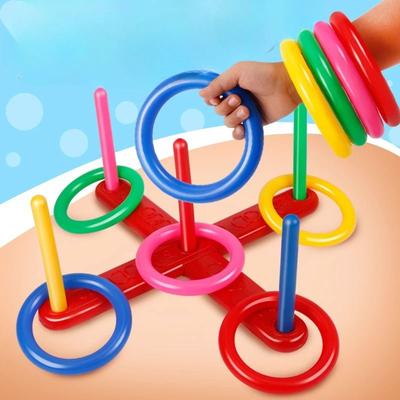
Uplifted Finds Interactive Ring Toss Training System Professional Early Education & Pediatric Fitness Infrastructure Interactive Ring Toss Training System Professional Early Education & Pediatric Fitness InfrastructureCommand ultimate developmental confidence with the Interactive Ring Toss Training System, a highperformance educational solution specifically engineered to act as a comprehensive tool for elite organization and superior technical ergonomics. Built...52,97 $*Shipping: 0,00 $Secure redirect to the provider
-
Tiny Tots Teens Trends Drawer Game Early Education Montessori Wooden Pitch Ball Box Preschool Learning Training Toy Drawer Game Early Education Montessori Wooden Pitch Ball Box Preschool Learning Training ToyThis Montessori Wooden Pitch Ball Box Drawer Game is a thoughtfully designed earlyeducation toy that transforms playtime into purposeful learning. Crafted for toddlers and preschoolers, it offers a handson, engaging way to support key developmental...39,97 $*Shipping: 0,00 $Secure redirect to the provider


-
'kann?' translates to 'can?' in English.
Yes, "kann?" translates to "can?" in English. It is a simple question in both languages that is used to inquire about someone's ability or permission to do something. The word "kann" is the conjugated form of the German verb "können," which means "to be able to" or "can." Similarly, "can" is the modal verb in English used to express ability or permission. **
-
What is the difference between "ich kann es kaum erwarten" and "ich kann es kaum abwarten"?
The phrase "ich kann es kaum erwarten" means "I can hardly wait" or "I can't wait" and is used to express excitement or anticipation for something. On the other hand, "ich kann es kaum abwarten" also means "I can hardly wait" but with a slightly stronger emphasis on impatience or eagerness. Both phrases convey a sense of anticipation, but "abwarten" implies a greater sense of urgency or impatience compared to "erwarten." **
-
What does 'Dich kann keiner zähmen' mean?
The phrase 'Dich kann keiner zähmen' is German and translates to "No one can tame you" in English. It implies that the person being referred to is wild, untamed, or uncontrollable. It suggests that the individual is independent, strong-willed, and cannot be easily influenced or controlled by others. **
-
What does "Dich kann keiner ersetzen" mean?
"Dich kann keiner ersetzen" is a German phrase that translates to "No one can replace you" in English. It is a statement expressing the sentiment that the person being addressed is irreplaceable and holds a special place in the speaker's life. It conveys a deep sense of value and appreciation for the individual. **
What is the difference between 'kann' and 'könnte'?
'Kann' is the present tense form of the modal verb 'können,' which means 'can' in English. It is used to express ability or possibility in the present moment. On the other hand, 'könnte' is the past tense form of 'können' and is used to express possibility or ability in the past or in hypothetical situations. So, while 'kann' refers to present ability or possibility, 'könnte' refers to past ability or possibility. **
'auskommen kann?' translates to 'can manage?' in English.
Yes, "auskommen kann?" translates to "can manage?" in English. It is a question asking if someone is able to get by or cope with a situation, often referring to managing financially or dealing with a difficult circumstance. This phrase is commonly used in German to inquire about someone's ability to handle a particular situation. **
Top-Angebote
Products related to Kann:
-
Perfect Picks Market Geometric Building Blocks Set For Kids Early Education Intelligence Development Toy Geometric Building Blocks Set For Kids Early Education Intelligence Development ToyUnlock your child's potential with this early education equipment designed to stimulate creativity and intelligence! This geometric set is the perfect building block toy for boys, helping to develop problemsolving skills while having fun. The...35,97 $*Shipping: 0,00 $Secure redirect to the provider
-
Uplifted Finds Children's 3D Puzzle Early Education Fun DIY Paste Wood Educational Toys For Kids engineeringEncourage cognitive development and creativity with this Children's 3D Puzzle, an essential Early Education Fun DIY Paste toy designed for curious young minds. This highquality Wooden Puzzle features vibrant, 3D animal and vehicle characters,...54,97 $*Shipping: 0,00 $Secure redirect to the provider
-
Usborne STEM Scribble Books Collection – 4 Book Set Science, Technology, Engineering & Maths Activity Books for KidsInspire curiosity and creative learning with the Usborne STEM Scribble Books Collection – 4 Book Set, from the trusted Usborne. This exciting educational collection includes: Science Scribble Book Technology Scribble Book Engineering Scribble Book Maths Scribble Book Packed with fun activities, puzzles, drawing challenges, and problem-solving exercises, these interactive scribble books introduce children to the exciting world of STEM (Science, Technology, Engineering, and Mathematics). Designed to make learning enjoyable, they encourage creativity, logical thinking, and hands-on exploration. Perfect for home learning, classroom activities, school holidays, and travel, this collection helps children build confidence while developing essential STEM skills. Why Parents & Teachers Love This Collection: Includes 4 engaging STEM activity books Encourages creativity, problem-solving, and critical thinking Covers Science, Technology, Engineering & Maths Interactive scribble activities make learning fun Ideal for children aged 6+, home learning, and classrooms A fantastic educational resource, the Usborne STEM Scribble Books Collection helps children discover, create, and learn through exciting hands-on activities.8,99 £*Shipping: 2,99 £Secure redirect to the provider
-
'm antworten kann. Vielen Dank!
Natürlich, ich stehe Ihnen gerne zur Verfügung, um Ihre Frage zu beantworten. Bitte zögern Sie nicht, mir Ihre Frage zu stellen, und ich werde mein Bestes tun, um Ihnen zu helfen. Vielen Dank für Ihr Vertrauen und die Gelegenheit, Ihnen zu helfen! **
-
What is the difference between "Jo, kann man machen" and "Ja, kann man machen"?
The difference between "Jo, kann man machen" and "Ja, kann man machen" lies in the informal and formal tone. "Jo" is a colloquial and informal way of saying "Ja" in some German dialects, while "Ja" is the standard formal way of saying "yes" in German. Therefore, "Jo, kann man machen" is more casual and relaxed, while "Ja, kann man machen" is more polite and formal. **
-
'kann?' translates to 'can?' in English.
Yes, "kann?" translates to "can?" in English. It is a simple question in both languages that is used to inquire about someone's ability or permission to do something. The word "kann" is the conjugated form of the German verb "können," which means "to be able to" or "can." Similarly, "can" is the modal verb in English used to express ability or permission. **
-
What is the difference between "ich kann es kaum erwarten" and "ich kann es kaum abwarten"?
The phrase "ich kann es kaum erwarten" means "I can hardly wait" or "I can't wait" and is used to express excitement or anticipation for something. On the other hand, "ich kann es kaum abwarten" also means "I can hardly wait" but with a slightly stronger emphasis on impatience or eagerness. Both phrases convey a sense of anticipation, but "abwarten" implies a greater sense of urgency or impatience compared to "erwarten." **
Similar search terms for Kann
-
Uplifted Finds Interactive Ring Toss Training System Professional Early Education & Pediatric Fitness Infrastructure Interactive Ring Toss Training System Professional Early Education & Pediatric Fitness InfrastructureCommand ultimate developmental confidence with the Interactive Ring Toss Training System, a highperformance educational solution specifically engineered to act as a comprehensive tool for elite organization and superior technical ergonomics. Built...52,97 $*Shipping: 0,00 $Secure redirect to the provider
-
Tiny Tots Teens Trends Drawer Game Early Education Montessori Wooden Pitch Ball Box Preschool Learning Training Toy Drawer Game Early Education Montessori Wooden Pitch Ball Box Preschool Learning Training ToyThis Montessori Wooden Pitch Ball Box Drawer Game is a thoughtfully designed earlyeducation toy that transforms playtime into purposeful learning. Crafted for toddlers and preschoolers, it offers a handson, engaging way to support key developmental...39,97 $*Shipping: 0,00 $Secure redirect to the provider
-
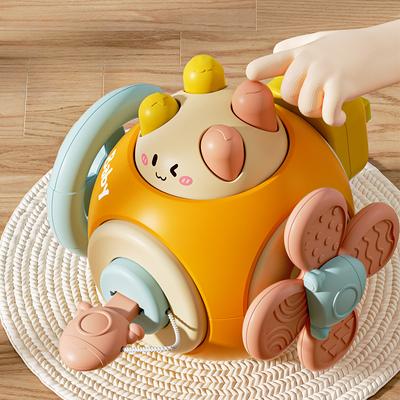
Tiny Tots Teens Trends Montessori Baby Training, Infant Puzzle Early Education Toys, Busy Hand Grasping Ball For Baby Montessori Baby Training, Infant Puzzle Early Education Toys, Busy Hand Grasping Ball For BabyIntroduce Your Baby to the World of Learning The Infant Puzzle Early Education Toys are designed to foster cognitive and physical development in your little one. This Multifunctional Busy Ball for Montessori Baby Training is ideal for enhancing...79,97 $*Shipping: 0,00 $Secure redirect to the provider
-
What does 'Dich kann keiner zähmen' mean?
The phrase 'Dich kann keiner zähmen' is German and translates to "No one can tame you" in English. It implies that the person being referred to is wild, untamed, or uncontrollable. It suggests that the individual is independent, strong-willed, and cannot be easily influenced or controlled by others. **
-
What does "Dich kann keiner ersetzen" mean?
"Dich kann keiner ersetzen" is a German phrase that translates to "No one can replace you" in English. It is a statement expressing the sentiment that the person being addressed is irreplaceable and holds a special place in the speaker's life. It conveys a deep sense of value and appreciation for the individual. **
-
What is the difference between 'kann' and 'könnte'?
'Kann' is the present tense form of the modal verb 'können,' which means 'can' in English. It is used to express ability or possibility in the present moment. On the other hand, 'könnte' is the past tense form of 'können' and is used to express possibility or ability in the past or in hypothetical situations. So, while 'kann' refers to present ability or possibility, 'könnte' refers to past ability or possibility. **
-
'auskommen kann?' translates to 'can manage?' in English.
Yes, "auskommen kann?" translates to "can manage?" in English. It is a question asking if someone is able to get by or cope with a situation, often referring to managing financially or dealing with a difficult circumstance. This phrase is commonly used in German to inquire about someone's ability to handle a particular situation. **
* All prices are inclusive of VAT and, if applicable, plus shipping costs. The offer information is based on the details provided by the respective shop and is updated through automated processes. Real-time updates do not occur, so deviations can occur in individual cases. ** Note: Parts of this content were created by AI.